
AL MUTALIB · WAYS TO BUY
Bulk oud orders to Doha
Specify an oud quantity order to Doha with selected products, supplied units and an organised receiving plan. Ask about current availability and terms.
Discuss your requirementsSeparate what a venue uses from what people take away
A larger oud order for Doha can involve two very different jobs: products used in a shared setting and individual items given to people. If both appear in the requirement, keep them separate from the start. A shared fragrance supply is planned around its intended method and responsible user. An individual item is planned around the recipient, selected format and number of separate units. One overall quantity cannot describe those two jobs clearly enough to support a good purchase.
This guide uses an organised gathering or venue-style requirement as a practical scenario. It does not claim that Al Mutalib provides scenting, installation or event services. The purchase is for products, with Doha as the receiving destination. The buyer needs to select suitable formats, state quantities and discuss what can be supplied. Any use in a venue should follow the product instructions and the venue's own arrangements, rather than a suggestion that buying more automatically makes a product appropriate for a shared space.
Give the shared-use requirement its own description
Begin by saying what the product is intended to do and who will use it. If you want wood for a familiar suitable heating method, inspect oud wood. If bakhoor is relevant, read its own description and instructions. Do not infer interchangeable methods from a general home fragrance category. The person responsible for use should understand the selected item and have the appropriate equipment before quantity is finalised.
Avoid estimating suitability from room size alone or making claims about a pack covering a fixed area. No such product performance is established here. If you have used the exact product in your own setting before, that experience can inform a provisional quantity. If the product or method is new, identify the uncertainty rather than converting it into a confident consumption estimate. The quantity discussion should stay connected to what you actually know about the intended use.
Give individual items a recipient-based count
For products people will receive individually, start with the confirmed recipient count and selected format. Oud perfumes may be relevant for wearable items, with the actual application format checked on the listing. Dehnal Oudh provides products sold as oud oil. Attar should be read product by product, without assuming every bottle is identical in contents. Choose something the recipients can understand and use as intended.
Specify separate units where separate allocation is required. Twenty recipients may need twenty bottles of a chosen variant, not an unspecified combined volume. If different groups receive different products, maintain separate lines. A total headcount is useful, but it should not hide which listing each group receives. Also keep any reserve visible. Extra units can be deliberate, but they should not arise because several organisers independently add their own estimate of spares.
Put shared supplies and individual allocations on different lines
Your product list should identify exact references, selected sizes and requested unit counts. Add a short role beside each line: shared use, individual allocation or optional reserve. For wood, preserve the pack weight and number of packs. For bottled products, preserve volume per bottle and number of bottles. Total amount can be included as arithmetic support, but it should not erase the supplied arrangement that the plan needs.
As an illustrative example, twelve bottles of a hypothetical 3 ml variant represent 36 ml total, while two wood packs serve a separate shared-use requirement. The overall item count is fourteen, but that number does not explain the purchase. The twelve individual allocations and two shared supplies need their own product decisions. The example quantities do not describe actual stock or variants. They demonstrate why a larger order should remain readable in the units someone will receive and use.
An illustrative gathering requirement
Imagine a Doha buyer organising a gathering with a small number of individual thank-you gifts and a separate fragrance product for use by one responsible person. The buyer first chooses the gift format according to the recipients' practical use. Then they separately assess the shared-use product and method. If there is no clear suitable method for the shared product, that line needs more thought; the individual gifts can still remain a valid purchase.
The buyer records the confirmed gift count, an intentional reserve if desired, and the separate shared-use quantity. The final enquiry asks about those exact products and units, with the receiving date and destination. It does not ask the supplier to infer a full event service from a vague request for enough oud for a gathering. This hypothetical scenario shows how one occasion can generate several distinct buying requirements that belong together only after each has been understood.
Decide who controls the final list
If more than one organiser chooses products, nominate one person to approve the final requirement. That person should reconcile duplicated recipients, conflicting variants and optional candidates before seeking a final proposal. A list containing every early idea can be mistaken for a larger confirmed order. Remove abandoned products and label alternatives as alternatives. The supplier should be able to identify what is required now and what remains a question.
When a revision is proposed, update the shared record. A changed headcount may affect only the individual items, not the shared-use supply. A different product format may affect equipment or allocation. Preserve those distinctions rather than editing one overall total. This helps the approving person decide whether the revision serves the original purpose and helps the receiver understand the final order without reading the entire history of planning conversations.
Check availability and preparation for the actual quantity
The retail catalogue identifies products, but a larger request needs confirmation of the specific lines and unit counts. Ask what can be supplied in the required form and discuss the applicable preparation arrangement. Do not assume a fixed discount, a universal minimum or an event-specific packaging service. If those matters are relevant, ask about them for the actual requirement rather than presenting them as established benefits.
Use Contact for current communication and delivery information. State when the order needs to be received in Doha, allowing in your own plan for checking and allocation before use. Ordinary delivery wording should not be treated as confirmation that every larger mixed order has identical preparation needs. The receiving date, product availability and preparation schedule should be discussed together for the list you actually intend to approve.
Treat a substitute as a change of task until reviewed
If a selected product cannot be supplied, inspect the exact alternative and its description. A wearable product cannot simply replace a shared heating-use requirement because both mention oud. A different bottle size may change the number of individual units. A different wood arrangement may affect the pack allocation. Review the practical consequence before approving the change, and ensure the responsible user or allocator understands the revised product.
You may allow flexibility in one part of the list while keeping another exact. For example, an optional reserve may be removed, while the confirmed individual bottle format must remain unchanged unless approved. State those boundaries clearly. Once a change is accepted, revise the final record so the receiving person expects the correct goods. Broad phrases such as “something similar” are less useful than a precise alternative that can be assessed against its assigned role.
Use one receiving point with clear onward allocation
This guide plans around one Doha address. Supply the complete details requested at checkout and identify a reachable receiver. If products will later go to several people, manage that allocation in your own record or ask about any additional arrangement before relying on it. No split-delivery service is established here. A single receiving point can simplify checking, provided someone knows which products are shared supplies and which are individual items.
The Qatar bulk order guide gives the wider route. The bulk oud perfume guide can support individual wearable requirements. After receipt, reconcile the final unit counts and keep the allocation record. Note any reserve remaining after the occasion. That information makes future planning more accurate without turning one gathering's estimates into a rule for every later event or venue use.
Let the final list identify what was excluded
If an early plan contained a shared-use line that you decided not to buy, remove it from the approved requirement and tell the person responsible for the occasion. The absence should be a known decision rather than an apparent shortage discovered later. The same applies to optional individual gifts. You can keep those ideas for another purchase, but they should not remain in the receiver's check list. A clear boundary around the current order helps everyone understand what it is meant to supply and what requires a separate arrangement. This makes the products you did choose easier to receive and allocate confidently.
Shared-use and recipient questions
Can one product serve both the venue and the gifts?
Only if its actual format and supplied arrangement genuinely suit both purposes. Do not assume that because the event has one fragrance theme, every use should be the same product. Shared use and individual receipt may require different formats or packaging. Assess each role independently, then combine the requirements if the choices happen to align. The product description should support the decision.
Does the order include a fragrance service for the setting?
No such service is established here. This guide concerns purchasing products. Intended use should follow the supplied instructions and the setting's own practical requirements. Ask about the products and quantities you want, and avoid relying on assumptions of installation, managed use or a fixed coverage promise. Those are different services from sending the selected goods to a receiving address.
What should the receiver know first?
The exact products, sizes, unit counts and their roles. Mark shared supplies separately from individual allocations and reserves. A receiver can then check and organise the goods without guessing how the occasion's overall headcount relates to every line. That is the foundation of a controlled bulk oud purchase for Doha: several clear requirements combined into one definite order, rather than one large total expected to explain itself.
Explore the relevant products
Use these listings as product references for your enquiry. Quantity availability, trade terms and any requested presentation are confirmed separately.

Baby Salla
View product details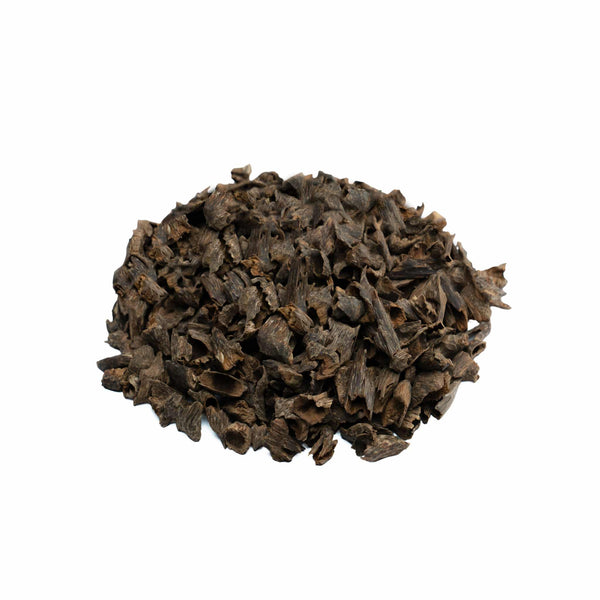
Bol Muri Naqwah
View product details
Char Gaf
View product details
Dehen oud combodi pursat
View product details
Dehen Oud Hindi Qadim (25 YEARS)
View product details
Dehen oud hindi Sioufi
View product detailsFind our current contact details on the Contact page.