
AL MUTALIB · WAYS TO BUY
Bulk oud orders to Jeddah
Plan recurring oud end-use quantities for Jeddah. Separate proven needs, new choices and reserves, then confirm the current products and preparation.
Discuss your requirementsSeparate this order from the habit of ordering again
A larger oud purchase for Jeddah may be intended to support repeated use rather than one event. That changes the planning question. You are not only asking how many units you want today; you are asking which products you expect to use regularly and how confidently you can estimate that need. Start with what you have actually used or allocated before. An uncertain future requirement should remain an estimate, not become a large order simply because buying more feels efficient.
This guide focuses on recurring end-use requirements with one Jeddah receiving point. It might involve a shared supply or several individually allocated items. It is not a promise of automatic replenishment or scheduled shipments. Each purchase still needs its own product and quantity confirmation. The aim is to make the current order readable while preserving enough information to make a later enquiry easier and more accurate.
Identify what is recurring and what is new
Split your list into established products and new possibilities. An established product is one you know by exact listing and have actually used for the intended purpose. A new possibility is something you are considering without that experience. Treat them differently in quantity planning. A recurring need can draw on your own observations, while a new item may call for a more limited initial commitment. Combining both in one order does not make their estimates equally reliable.
Choose the relevant format before assigning numbers. Oud wood and bakhoor should be checked for their intended heating use and individual instructions. Oud perfumes, Dehnal Oudh and attar offer different wearable product routes. Read each listing rather than assuming a recurring need for one format can be replaced by a larger quantity of another. The repeat requirement belongs to the actual product role, not only the word oud.
Use your own history without turning it into a universal rule
If you have used the same product before, look at the quantity bought and the period over which you actually used it. That can inform a provisional estimate for your next purchase. It cannot establish a fixed lifespan for every bottle or pack. Usage methods and habits vary, and instructions should guide the use. Keep your estimate attached to your own experience so it remains honest and useful rather than becoming a general claim about product performance.
If several people share the supply, ask the responsible user or allocator for a practical record. How many individual units were handed out? Which products were used for shared purposes? Which remained because they served a less frequent role? These questions help you distinguish a real recurring requirement from an earlier overestimate. A repeat order should respond to what happened, not automatically reproduce every number from the previous basket.
Keep the order in units you can receive and allocate
List the exact product reference, selected size and number of units. For wood, preserve the pack arrangement if separate packs matter. For bottles, preserve the unit count if each person receives one. Total grams or millilitres can support a cross-check but should not replace the supplied form. A requirement for individual bottles is different from a request for the same combined volume in another arrangement.
As an illustrative exercise, eight 15 g packs amount to 120 g in total. If those packs are allocated to eight separate uses or recipients, one 120 g pack does not fulfil the same arrangement automatically. Similarly, ten bottles of a hypothetical 3 ml variant represent 30 ml, but the ten units remain part of the requirement. These examples show why arithmetic should retain packaging context. They do not describe available store variants, minimum quantities or a particular preparation service.
Decide how much uncertainty to include
A recurring purchase can include a reserve, but label it. Separate the quantity required for confirmed use from an optional additional amount. If you are expanding the group or changing routines, identify the assumption behind the increase. This makes the final number easier to approve and easier to revisit after receipt. Without that distinction, a later buyer may assume the whole number represented proven use and repeat it without understanding why it grew.
For a new product, avoid using the same large quantity as a familiar item merely to make the list look balanced. The new line may serve a different purpose or be used less often. You can ask about the quantity you want to discuss and what terms apply to that specific product. Do not presume a fixed discount for buying more or a universal minimum across formats. The enquiry should make your requirement visible before asking what supply arrangement can be offered.
A recurring supply example
Imagine a group receiving wearable fragrance items periodically at one Jeddah address, alongside wood for a shared routine. The buyer has a record of the bottle allocations but only a rough impression of wood use. The next list should reflect that difference. Bottle unit counts can follow the confirmed allocation, while the wood requirement remains a provisional estimate to review. There is no need to pretend both figures have the same evidence.
The buyer also considers one unfamiliar oil listing. Rather than expanding that line to match the established bottles, they identify it as a separate new choice and consider an appropriate quantity. After receipt, its actual usefulness can inform the next purchase. This hypothetical example demonstrates a more controlled recurring order: confirmed needs, provisional needs and new choices are all visible. The products may arrive together, but their reasons for inclusion remain distinct.
Confirm the current product before repeating its quantity
A repeat order still requires a current listing check. Open the saved product references and confirm the title, selected variant and description. If the previous option is no longer offered, assess the alternative as a new decision. A similar bottle or origin name does not establish identical contents. If the product role is important, explain which feature you want to retain when asking for help: format, supplied quantity or another characteristic actually established by the listing.
If a different size is proposed, recalculate the unit arrangement as well as the total amount. The new size may be acceptable for shared use but unsuitable for individual allocation. Decide that deliberately. A recurring order can tolerate some changes while still requiring approval for others. State which lines are essential and which are flexible, then update the final record with any agreed alternative. The receiver should have the revised list, not only the previous order copied from memory.
Arrange timing for the present requirement
Read the current service information through Contact and discuss preparation for the actual quantity being requested. Recurring use does not establish a standing delivery arrangement. Each larger purchase needs confirmation of what can be supplied and how the applicable preparation and dispatch schedule fits your receiving requirement. If a supply is nearing depletion, explain the receiving date that matters rather than assuming the previous order's circumstances apply again.
Choose a complete Jeddah address and a reachable person to accept the parcel. If another person will check or allocate the goods, share the final product list with them. A recurring purchase benefits from consistent records, but it should not depend on a single person's memory. The receiving responsibility and the allocation responsibility can be separate, provided the information passes clearly between them. That helps the order remain controlled even when the usual buyer is unavailable.
Record the outcome in plain terms
After receiving and using the products, note what should stay the same and what should change next time. Perhaps the number of individual bottles was correct, but the shared-use amount was larger than needed. Perhaps one new product found a useful role while another did not. These observations should refer to exact items and variants. They are practical purchasing information, not a requirement to write formal fragrance reviews.
The Saudi Arabia bulk buying guide gives the country route. The bulk oud oil guide is helpful when bottled oil forms an important part of the recurring requirement. Use those pages to clarify the specification and return to current listings before approval. The best repeat order is not necessarily identical to the last one. It is the one that uses what you learned to make the present Jeddah requirement clearer.
Keep a discontinued need off the next list
Sometimes the useful change is removal rather than replacement. If a recipient no longer needs an allocated item or a shared routine has ended, take that requirement out before requesting the next quantity. Do not preserve it as an unexplained spare line. If you want to keep a reserve, name it and choose it deliberately. This helps the current order reflect the present group instead of quietly carrying every historical use forward. It also makes your later record easier to read because an absent line has a known reason rather than appearing to be an accidental omission.
Recurring-order questions
Does a recurring need mean I should buy a much larger amount now?
Not automatically. Consider the certainty of the requirement, the intended supplied form and your own usage observations. A larger quantity should have an explained purpose. If you are still learning whether a new product fits, treat it separately from an established line. The practical aim is a quantity you can account for, not simply the largest order you can place.
Can I arrange automatic repeat deliveries?
No such service is established here. Discuss any proposed arrangement through Contact before relying on it. This guide treats each purchase as a separate order with current product and quantity confirmation. You can keep a reusable specification for your own planning, but that record is not itself a standing supply agreement or a promise that stock and terms remain unchanged.
What should be reviewed after each order?
Check the supplied products against the approved list, then review the allocation or use over time. Separate confirmed demand from reserve and new-product estimates. Note the exact changes you want for the next enquiry. This small record turns recurring bulk oud purchasing for Jeddah into an informed sequence of decisions rather than repeated guessing with progressively larger numbers.
Explore the relevant products
Use these listings as product references for your enquiry. Quantity availability, trade terms and any requested presentation are confirmed separately.

Baby Salla
View product details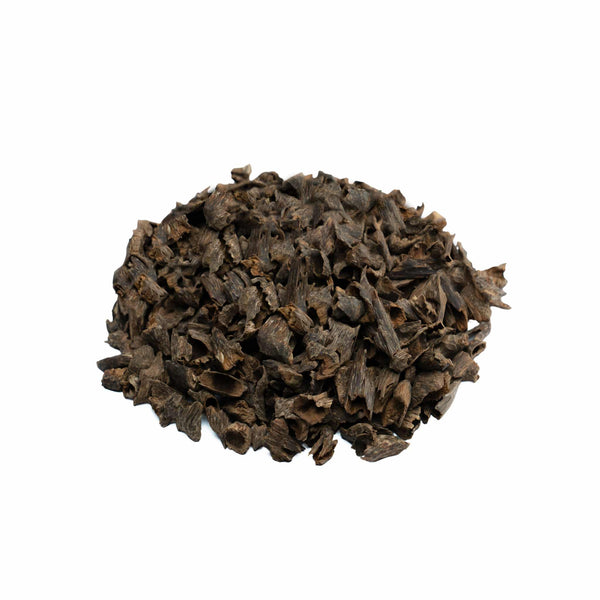
Bol Muri Naqwah
View product details
Char Gaf
View product details
Dehen oud combodi pursat
View product details
Dehen Oud Hindi Qadim (25 YEARS)
View product details
Dehen oud hindi Sioufi
View product detailsFind our current contact details on the Contact page.