
AL MUTALIB · WAYS TO BUY
Buy oud for personal use
Choose oud and fragrance for personal use. Compare the actual format, pack and product details before ordering.
Ask about a productThere is a useful question to ask before choosing oud: where will you use it? A bottle you reach for before leaving home serves a different purpose from wood you heat when receiving guests. Both may carry the word oud, but the purchase, equipment and daily routine are different. Starting with that distinction makes the range easier to understand and helps you spend on something you will use.
At Al Mutalib, you can explore oud wood, Dehnal Oudh, wearable fragrances and bakhoor through their relevant collections. This guide is for choosing a personal purchase. It explains which product details deserve attention, how to compare the listed quantities and how to build a manageable shortlist. Stock, sizes and prices should always be checked on the individual product listing.
Choose the format before choosing the name
If you want fragrance to wear, begin with the oud perfume collection, Dehnal Oudh or attar. Read the description to understand the actual formula and application directions. A name alone does not establish whether a product is an oud oil, a blended perfume oil or another finished fragrance. The bottle volume also matters when you compare purchases.
If your intention is fragrance for a room or a hosting occasion, look at oud wood and bakhoor. These are products to consider with their stated heating instructions and suitable equipment. Do not assume a wearable oil should be heated or that wood is suitable for direct skin application. When the intended use is unclear, ask about that product before buying it.
You do not need to buy every format at once. Choose the one that fits your existing routine. A familiar format usually lets you assess the fragrance more comfortably because you are not learning a new product and a new method of use together.
Decide what the first purchase needs to achieve
For an everyday purchase, think about how often you expect to use the product and whether you already know the particular listing. For an occasional purchase, consider the setting and the people who will share it. These questions are more useful than asking for the strongest or most expensive oud without explaining what you want from it.
You might be choosing a wearable fragrance for yourself, wood for occasional home use or a product similar to something you enjoyed previously. Give each requirement its own shortlist. A product chosen for a specific gathering does not have to become your everyday purchase, and an everyday favourite does not automatically suit every recipient or setting.
Set a comfortable spending range before browsing grade names. Keep room to compare a smaller listed quantity with a larger one. If you are still uncertain about a product, look for an appropriate currently available size rather than assuming samples or smaller packs can be supplied. Availability belongs to the listing, not to the general category.
Read quantity as carefully as the product description
Wood is commonly compared by stated weight, while bottled oils and perfumes are compared by their stated volumes. Keep those units separate. A package of wood and a bottle of perfume cannot be judged by the same price-per-unit calculation because they are different products with different ways of being used.
Within one format, an equal-quantity comparison can help. As a hypothetical example, a 20-gram pack costing 100 currency units works out at five units per gram. A 50-gram pack costing 225 works out at four and a half units per gram. That arithmetic describes the package prices only. It does not establish that the two woods have the same composition, origin, condition or suitability.
Check what the displayed price covers. Confirm the selected variant, total listed quantity and whether the photographs show the actual product format. A product with several sizes may display a starting price until you select your preferred option. Read the selected option before drawing a conclusion about value.
Separate origin, shape and seller descriptions
Labels such as Hindi oud, Indonesian oud or Malaysian oud describe an origin claim that should be understood through the product's own information. Regional names can add detail, but they should not replace that evidence. A country story is not proof of the origin of every item appearing in a collection.
Muri, Salla and Zura appear as trade names or shape descriptions in the range. Examine the photographs and the seller's explanation of the particular product. Do not treat a shape word as a universal certificate of quality. Two products with the same shape name may still differ in origin, package weight and the description of the wood supplied.
Grade words deserve the same care. Super, VIP, Royal and similar descriptions do not give you a universal measurement that makes every seller's products directly comparable. Ask what the term means for the listing you are considering. A useful answer should bring you back to the product, its specification and the proposed use.
Make a shortlist you can actually compare
Choose two or three candidates within the same intended use. Record the product reference, selected size, current price and one reason you are considering each. You will learn more from a small comparison than from collecting dozens of similar names without deciding what the purchase needs to do.
For wood, concentrate on the listed origin, product form, weight and available description. For a wearable fragrance, concentrate on the stated composition or concentration, bottle size and fragrance description. For bakhoor, read the product contents and intended use. Leave a question mark beside any missing information rather than supplying an answer from another product's description.
If two candidates look almost identical, ask a focused question. For example, ask whether the two listings differ in product form or supplied quantity. Avoid expecting photographs to explain scent, provenance or everything included in a package. Some decisions need written information from the seller.
Buy from the listing, not from the category heading
A collection is a useful route into the range. The individual listing is where you confirm the item you intend to receive. Before ordering, reopen that listing and check the selected option. Make sure the title, size and product reference match the notes you made while comparing.
Read any included-content description carefully. A photograph showing accessories or a styled setting should not be treated as a promise that every visible item is included. The same applies to gift presentation, heating equipment and additional bottles. If the contents are not stated, ask instead of assuming.
An unavailable item can still help you understand your preferences, but it should not anchor a purchase plan that requires immediate stock. Compare the currently available alternatives on their own information. An alternative sharing an origin or grade word may not be an exact replacement for the product you first wanted.
Keep the first use useful for the next purchase
Follow the directions supplied for the product and any equipment you use. Keep packaging or product-reference information so you can find the exact listing again. If you later want a larger size, those details make the conversation much clearer than trying to remember a broad category name.
Record your own experience in ordinary words. Note whether the format fitted your routine, whether the quantity was practical and whether you would buy the same product again. Your personal notes are useful purchasing evidence for you. They should not become a claim that every other customer will have the same experience.
If you are buying for home hosting, record how the product was used in that setting rather than assuming a universal consumption rate. If you are choosing wearable fragrance, record the product and variant you actually purchased. Small, accurate notes make repeat orders easier and reduce the chance of confusing similar names.
Questions before a personal oud purchase
One way to test your shortlist is to explain each choice without using a grade word. You might say that you want a wearable product in a listed bottle size, or wood in a quantity suited to your planned use. If that explanation is clear, the product information is doing useful work. If the explanation is only that the name sounds expensive, return to the listing. Look for the format, amount and missing detail that would make the purchase understandable. This exercise does not rank products. It helps you recognise which candidate you can evaluate with the information actually available and which still needs a question answered.
Is the highest seller grade always the right choice?
The right choice depends on your intended use, budget and the particular product. Read the seller's description and compare actual listings. A grade word cannot answer all those questions on its own.
Should I buy wood or oil first?
Choose according to the format you want to use. Wood and wearable oil serve different routines. If you do not already use suitable heating equipment, understand that requirement before selecting wood.
Can I choose only by an origin name?
Use origin as one part of the comparison. Confirm the product's own information, form and quantity as well. Products carrying one geographical label can still be different purchases.
Where should I ask about a missing product detail?
Use the Contact page with the product link, selected size and exact question. That gives the team a clear reference and keeps the current contact information in one place.
Explore the format that fits your routine
Start with oud wood if you are choosing a product for heating, or browse oud perfumes and Dehnal Oudh for wearable options. Use attar and bakhoor as their own format comparisons. Once you have chosen an actual product, its listing should guide the final size and stock decision. For help with ordering rather than choosing, see the online oud buying guide.
Explore the relevant products

Baby Salla
Dhs. 110 and up
View product details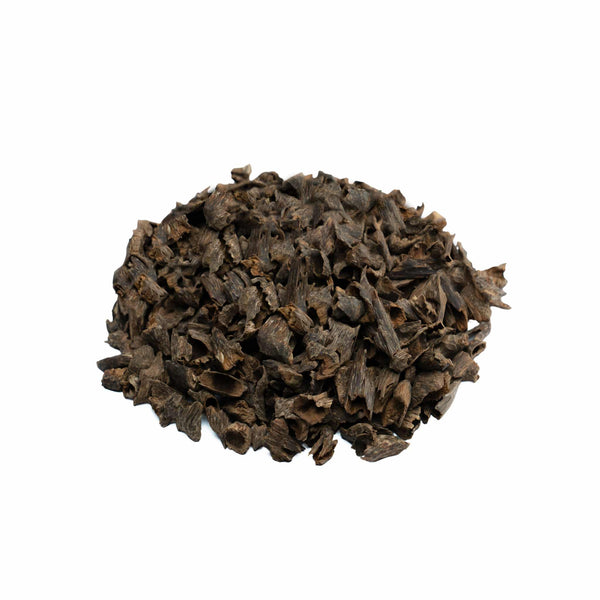
Bol Muri Naqwah
Dhs. 250 and up
View product details
Char Gaf
Dhs. 75 and up
View product details
Dehen oud combodi pursat
Dhs. 375 and up
View product details
Dehen Oud Hindi Qadim (25 YEARS)
Dhs. 1,000 and up
View product details
Dehen oud hindi Sioufi
Dhs. 300 and up
View product detailsFind our current contact details on the Contact page.