
AL MUTALIB · WAYS TO BUY
Wholesale oud enquiries for Jeddah
Build a clear oud resale range for Jeddah. Give each product a role, specify units and supply forms, then request terms for your proposed assortment.
Discuss your requirementsBuild a range with distinct reasons to buy
A wholesale oud range for resale in Jeddah should offer understandable choices, not merely many names. If two products have a clear difference in format or supplied quantity, you can explain that difference to a customer. If the only distinction you can give is a vague claim that one is more special, the assortment may need closer thought. Start by deciding which customer questions your range will answer, then select product references for those questions.
This guide is about range architecture: choosing a focused opening assortment, separating formats and deciding what to request in a wholesale enquiry. Al Mutalib's parent website invites agarwood wholesale requirements, but the enquiry still needs the specific products and quantities you want. Jeddah is the proposed receiving destination. The guide does not presume local premises, exclusive distribution, fixed trade prices or the wholesale eligibility of every product visible in the retail store.
Choose the kind of range you want to explain
A wood-focused assortment serves buyers who want products for suitable heating use. A wearable assortment serves application preferences. A mixed range can serve both, but it requires separate product explanations. Decide whether that breadth genuinely helps your resale plan. A small clear range can be easier to maintain and describe than a large one selected to cover every possible oud term. Your opening enquiry should reflect the range you intend to offer, not the entire catalogue you happened to browse.
Inspect oud wood for wood references and Dehnal Oudh for listings sold as oud oil. Oud perfumes provides another wearable route. If you include attar, retain the individual composition descriptions rather than calling every item pure oud oil. If bakhoor is relevant, give it its own role. The collection structure helps organise the proposal, but the exact listing should establish what each selected line is.
Give each line an assortment role
A role describes why the product is included. One line might be a familiar wearable format, another a clearly specified wood option, and another a smaller quantity for buyers who prefer a limited purchase. Keep these descriptions tied to facts in the listings. Do not invent scent differences to justify adding products. If two products serve the same role, ask whether both are needed in the initial range or whether one can remain an optional candidate for later consideration.
Avoid using price alone to create a hierarchy of quality. A higher price may reflect a different listed product or quantity, but it does not establish a universal grade meaning. You can compare actual descriptions and offered sizes without advertising a formal ladder of inferior and superior products. The useful question is whether each line gives the customer a distinct, honest choice. A range built that way is easier to explain and easier to revisit when you request replenishment.
Balance depth and breadth deliberately
Breadth is the number of different lines. Depth is the number of units requested for each. A buyer can ask for many products at low unit counts or fewer products at higher counts; those are different assortment plans. Neither is automatically better. Think about which lines you want to make central and which are exploratory. Then choose provisional quantities that reflect that distinction rather than giving every product the same number by default.
For illustration, a proposed range might contain three core lines and two optional lines. The core lines could receive firmer quantities while the optional lines remain subject to discussion. This is an example of structuring an enquiry, not a prediction of demand or stock. Do not infer local buying preferences from the destination city. Your own resale plan, customer conversations and actual observations should determine how you allocate the purchase across products.
Make the opening request readable
For each line, record the product title or URL, selected size, requested units and intended supply form. If separately packaged units matter, state that explicitly. Include Jeddah as the receiving destination and identify a required receiving date if one applies. Explain that the purpose is resale. These facts make the enquiry specific enough for a response without requiring a long narrative about every item you considered and rejected.
Keep exploratory questions separate from confirmed requirements. You may want to ask whether a smaller opening quantity and a larger later quantity can each be discussed. That is a genuine enquiry, not an assumption of a discount or a fixed minimum. You may also ask which proposed lines can be supplied in the required form. The response should address those real possibilities. A wholesale conversation becomes more useful when the supplier can distinguish the assortment you want from the alternatives you are merely investigating.
A hypothetical opening assortment
Imagine a buyer considering one wood listing, one oud oil listing and two perfume listings. The buyer first assigns each a role and then checks whether the two perfumes offer a meaningful choice based on their actual descriptions or formats. If the distinction is unclear, one perfume can be kept as an alternative rather than an additional required line. The buyer then records the selected sizes and provisional unit counts for the resulting assortment.
Suppose one hypothetical line requests ten bottles of a 3 ml variant. That means ten individual bottles if that is the resale arrangement, representing 30 ml total. It is not automatically a request for one larger bottle. Another line might request several separate wood packs rather than a single combined weight. This example shows why format, pack size and units belong together. The numbers are illustrative and do not state what quantities are available or what minimum applies to the store's products.
Read the quotation as a proposed assortment
A written offer should be checked against the roles and specifications you sent. Does each supplied line match the intended format? Are the selected sizes and unit counts clear? Is the packaging form the one required for your resale plan? A price comparison is useful only after these questions are answered. If the quotation proposes an alternative, read that alternative's description and decide whether it fills the same assortment role.
Keep unit arithmetic visible when reviewing costs. Per-bottle, per-pack and per-gram prices need their relevant quantities. A lower number may refer to a different unit, and a larger total may simply include more product. Do not convert a unit-cost comparison into a claim of equal product characteristics. The descriptions still matter. Your goal is a range whose supplied units, cost and customer explanation agree, rather than a set of attractive numbers disconnected from what will actually arrive.
Keep future customer language accurate
When a product has an origin description, use it accurately for that item. Do not turn it into a guaranteed scent character for every product from the same place. When a grade label appears, understand the explanation attached to the listing instead of treating it as a universal scale. A dark photograph or unusual shape should not become proof of a broad quality claim. Clear resale language should identify the product and its intended use without adding claims that the source does not establish.
This is particularly important if you sell several formats together. Customers should understand the difference between wood, an oil listing, an attar and a perfume listing. You can explain those choices plainly without declaring one format universally better. The assortment becomes useful when it lets a buyer select what fits their routine. That is a stronger foundation than filling the range with products whose differences you cannot describe except through repeated superlatives.
Arrange receipt and preserve the range record
Choose a complete Jeddah receiving address and a person who can accept the order. Decide who will check the supplied lines against the final approved assortment. Share that specification with the checker, including any agreed alternatives. A receiving person should not have to infer whether an unfamiliar bottle is an intentional revision or an unexpected item. The record that supported the quotation should also support receipt.
Use Contact for the current communication details and ordinary delivery information. Confirm the preparation and dispatch arrangement for the wholesale quantity being discussed. The Saudi Arabia wholesale oud guide gives the country route, while the wholesale oud perfume guide helps when wearable listings are central to the range. Retain the exact final references so later replenishment starts with a known assortment rather than a remembered collection of names.
Keep optional expansion out of the core quotation
If you want information about possible future additions, label that section separately. The core quotation should still be easy to identify. Otherwise an exploratory question about another format can be mistaken for a requirement that increases the proposed order. You can review a future candidate without buying it now, and you can ask for a clearer description before deciding whether it belongs in the range. Distinguishing the present assortment from future ideas preserves the purpose of the enquiry and gives your final approval a definite boundary.
Range-building questions
Should every collection be represented in the first order?
Only if each serves a clear purpose in your resale plan. A focused range can be appropriate when you understand one format well. A mixed range can be appropriate when you can explain the different uses and supply requirements. The number of represented collections is not a measure of quality. The clarity of the choices matters more than breadth for its own sake.
How should I choose the first quantities?
Separate core lines from exploratory ones and state the quantities you want to discuss. Ask what minimum and availability apply to those specific products and supply forms. Do not assume one rule covers all formats. Your initial numbers can be provisional, provided the enquiry says so. A response to a clear provisional plan is more useful than a request for wholesale terms with no quantities at all.
What makes a range easy to reorder?
Exact product identifiers, selected sizes, unit counts and a record of the role each line fills. After receiving the order, keep the final quotation with that record. Then a repeat enquiry for Jeddah can target the lines you genuinely want again, while optional additions remain deliberate choices. A well-structured assortment supports both an accurate purchase and an honest explanation to the people who will eventually buy from you.
Explore the relevant products
Use these listings as product references for your enquiry. Quantity availability, trade terms and any requested presentation are confirmed separately.

Baby Salla
View product details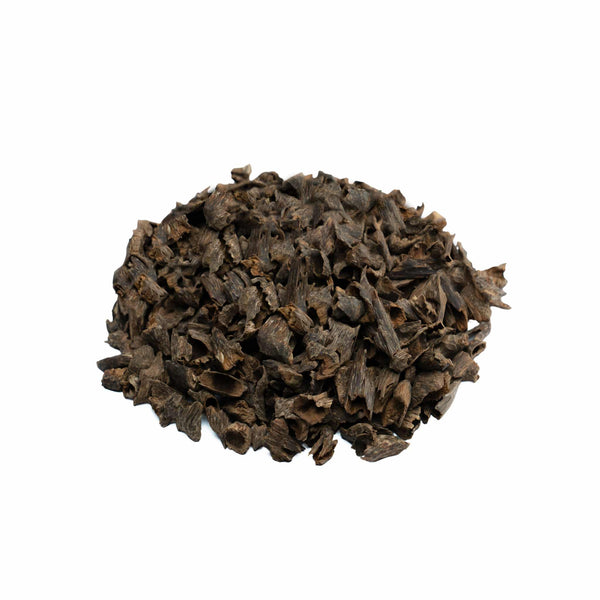
Bol Muri Naqwah
View product details
Char Gaf
View product details
Dehen oud combodi pursat
View product details
Dehen Oud Hindi Qadim (25 YEARS)
View product details
Dehen oud hindi Sioufi
View product detailsFind our current contact details on the Contact page.