
AL MUTALIB · WAYS TO BUY
Oud wood wholesale enquiries
Write a focused oud wood wholesale enquiry. Align product references, weight and supply format, then compare quotations and proposed alternatives fairly.
Discuss your requirementsAn oud wood wholesale enquiry should be clear enough for two people to discuss the same product without relying on the words premium, good grade or best price. Those expressions may communicate enthusiasm, but they do not specify the wood, the quantity or the supply format you want to evaluate for resale.
Start with the current wood listings and a genuine quantity requirement. Then describe the product information you need to make a responsible buying decision. This guide focuses on keeping that trade enquiry comparable from first request to written response, especially when pack weights, wood descriptions or proposed alternatives differ.
Decide what you are enquiring to resell
Your first decision is the resale format. Are you asking about listed packaged items, a stated total weight of wood, or another supply arrangement you need to discuss? Those are different requests. Make the intended format explicit rather than assuming the supplier will infer it from the word wholesale.
If you want the current listed product, include its exact reference and selected weight. If you are asking whether another quantity or format can be supplied, explain that as a question. A catalogue listing can anchor the discussion without proving that every imaginable trade arrangement is available.
Consider the information you will need to give your own customers. Their purchase should not depend on an origin, grade or composition claim you have guessed. The supplier's actual product description is a better foundation for your enquiry than a set of market terms that you cannot define consistently.
Specify quantity without losing the product reference
Put a stated weight unit beside the amount you want. A request for ten packs should also identify the pack weight and exact product. A request for a total weight should say whether you need particular listed units or are asking about another supply option.
Use consistent measurements across your enquiry. If one line is in grams and another in kilograms, make the conversion clear before comparing them. Precision at this stage prevents a later quotation from appearing attractive simply because its quantity is smaller than the one you intended.
Do not combine several wood products into one total unless their separate amounts remain visible. An assortment of three products needs three product references and three quantity lines. The combined weight may help you understand the overall requirement, but it cannot tell the supplier how much of each product you want.
Ask what a product term means in this enquiry
Grade words are not useful trade specifications unless both parties understand how they apply to the actual item. Look for the description attached to the listing and ask about any term that materially affects your decision. Do not assume a label has one fixed definition throughout the market.
Origin claims deserve similar attention. If you intend to communicate an origin to customers, base that on the supplier's stated product information. An attractive name or a familiar regional association should not become a claim about the wood simply because it appears plausible.
Where shape matters to your intended presentation, identify the visible form you are asking about. Keep it separate from fragrance or quality expectations. A particular shape may suit the way you intend to offer the product, but shape alone does not establish a universal grade or predictable scent.
Use images to identify rather than approve everything
Product photographs help you recognise a candidate and discuss visible details. They are especially useful when several listings have related names. Include the actual link so the conversation does not depend on a cropped image without its quantity or description.
Images cannot establish every specification needed for a wholesale purchase. Apparent colour, size and piece count may be affected by photography or presentation. If you need clarification about the offered goods, ask a question tied to the written response rather than assuming the catalogue scene provides every answer.
If a quotation identifies another available product, review that reference independently. Do not treat any image of wood as evidence that it is equivalent to your original selection. An alternative needs to be understood in the context of your own resale requirement.
A hypothetical equal-weight quotation comparison
Imagine a retailer seeking 500 grams of one identified wood product. One response discusses ten listed 50 gram packs; another discusses a different proposed supply arrangement and a different wood reference. This is an illustrative comparison, not a statement about available Al Mutalib packages or trade terms.
The retailer first confirms the total weights. They then check product identity and presentation. Even if both proposed quantities total 500 grams, the choices are not necessarily equivalent. The different reference must be reviewed on its own description, while any change in supply format must be understood before prices can be compared fairly.
Only after those questions are settled does the retailer compare the written commercial details. This order of review avoids two common errors: choosing a lower total that covers a different product, and treating equal weight as proof that every other part of the requirement is equal.
Keep minimum quantity and price as actual questions
Al Mutalib's parent wholesale page invites agarwood enquiries. That invitation does not publish a universal minimum quantity for every wood product. State the amount you genuinely want to discuss and ask what applies to the selected item or proposed assortment.
The same applies to pricing. Do not work backward from a retail listing with an imagined wholesale percentage. A useful comparison uses the actual quotation, its quantity and the terms provided for that request. If part of the response is unclear, ask for clarification before you build your own resale plan around it.
If the proposed minimum differs from your intended amount, reconsider the requirement deliberately. Increasing quantity is a commercial choice, not merely a way to pass an assumed threshold. It should still make sense for the customers, cash commitment and assortment you know.
Decide how much flexibility is genuinely acceptable
Some enquiries allow alternatives; others require a specific product. Tell the supplier which situation applies. A vague request for something similar can invite a response that does not preserve the detail you considered essential.
If you can consider another option, identify the points that must remain suitable. These may include the intended product format, a stated origin claim, the quantity or the presentation you intend to resell. Ask for the alternative reference and review its actual description rather than approving it by category alone.
Avoid adding unsupported performance promises to your acceptance criteria. If you have previous experience with an exact product, explain the reference and what you want to preserve. A specific repeat-product discussion is more useful than demanding a universal fragrance result from wood described only by a broad grade term.
Agree the destination and timing before commitment
Include the receiving country and city in the enquiry, along with the person responsible for the purchase. If the order depends on a date, explain it clearly. Availability, preparation and dispatch need to be discussed for the actual quantity rather than assumed from ordinary online delivery wording.
If you need several receiving destinations, raise that as a separate requirement. Do not assume a wood wholesale enquiry automatically includes split delivery. Likewise, specific packing, labelling or other trade services should be asked about only where they are relevant and should not be represented to customers as confirmed before a response.
The Contact page provides the current route for enquiries and service information. It is better to keep changing delivery and contact details there than to rely on a copied number or an old statement in your purchasing notes.
Make the final agreement easy to use again
Keep the accepted product reference, quantity, supply format and any approved alternative together with the order information. A clear record helps you check receipt and makes future replenishment less dependent on memory.
If several people handle buying and receipt in your business, give them the same agreed reference. The person checking the goods should not have to reconstruct the final decision from an early enquiry and several unrelated messages. A concise record of the accepted items prevents confusion between what was first requested and what was ultimately approved.
For a repeat order, refer to the earlier item and ask about the current proposed supply. Availability and product details still need checking. The wholesale buying hub connects wood to other trade formats, while wood bulk orders serves a different purpose where the purchase is for end use rather than resale.
Make a changed quantity explicit
If your intended amount changes during the conversation, state the revised requirement clearly and ask for the response to reflect it. Do not assume an earlier quotation still applies to a different quantity. Keep the product reference beside the new amount so the change is easy to follow. That makes your eventual approval refer to one current proposal rather than a mixture of old and new figures.
Questions about wood trade enquiries
Is a catalogue grade enough to specify a wholesale order?
Only when its meaning is clear for the item being discussed. Read the product description and ask about terms that affect your decision. A familiar grade word does not eliminate the need for an exact product reference and quantity.
Should I ask for the lowest price first?
First establish what the quotation covers. Product, weight and supply format need to be comparable before price can decide anything useful. A low total for a different requirement is not automatically a better offer.
Does equal weight mean equivalent wood?
No. Equal weight makes one part of the comparison consistent. The actual product descriptions, presentation and any relevant claims still need separate review. Arithmetic should clarify the quantity without erasing differences between items.
What if the exact product cannot be supplied?
Ask for a clear proposed alternative and its details. Decide whether it fits your resale need before approving it. Do not accept a substitution merely because it uses the same broad oud category or an impressive-sounding name.
What makes a first enquiry useful?
Provide the product link, genuine quantity, intended supply format, receiving destination and any essential deadline. Include the specific question preventing a decision. Those details give a focused starting point without claiming services or terms that have not been discussed.
Explore the relevant products
Use these listings as product references for your enquiry. Quantity availability, trade terms and any requested presentation are confirmed separately.

Zura Yaumi
View product details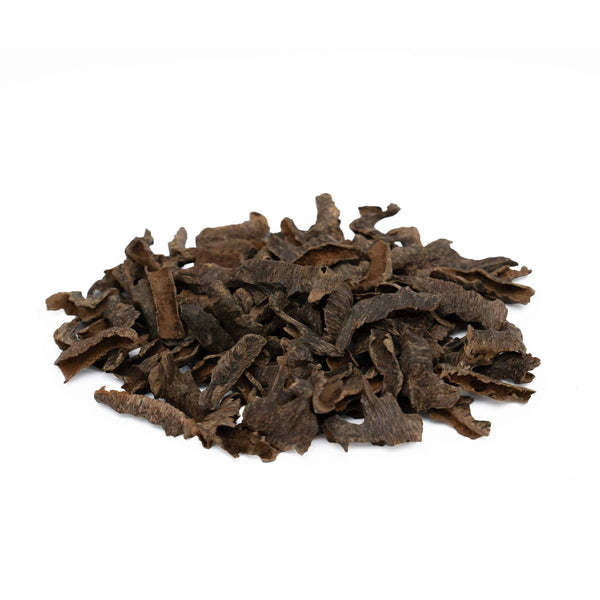
Visa Muri
View product details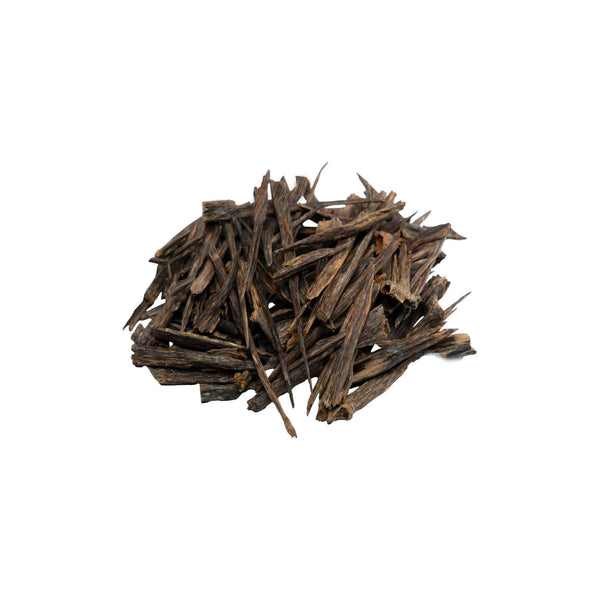
Seyufi Salla Naqwah
View product details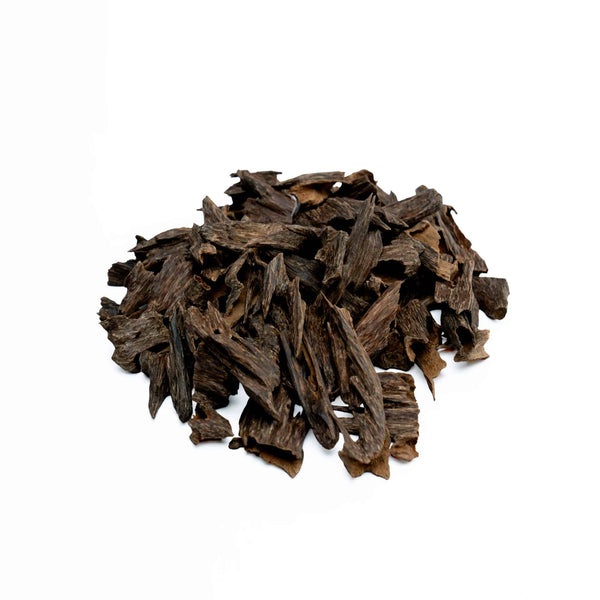
Muri Double Super
View product details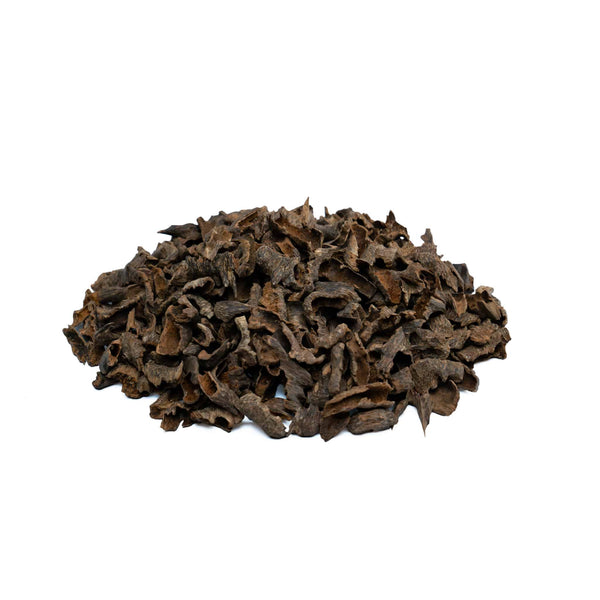
Mini Visa Muri
View product details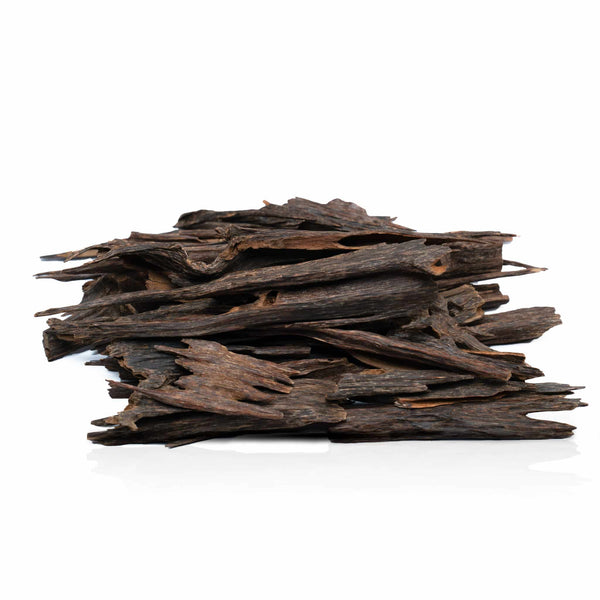
Zura Malaki(Imphal)
View product detailsFind our current contact details on the Contact page.