
AL MUTALIB · WAYS TO BUY
Choosing between oud wood shapes for home use
Compare Muri, Salla and Zura oud listings using piece information, selected weight and your home-use needs. Understand what shape names can tell you.
Ask about a productA wood shape can be the first thing you notice in an oud listing, especially when the photographs show strikingly different pieces. It is also easy to ask the shape to tell you more than it can. For home use, the useful starting point is the physical product you are buying: its stated quantity, the visible piece range and the directions relevant to using it. Shape is part of that decision, rather than a complete verdict on the wood.
The catalogue includes Muri oud, Salla oud and Zura oud. Use these names as routes to the current products. Do not assume the names impose identical dimensions or a universal quality standard across every seller. The meaning and characteristics of the actual listing need to be understood within the range you are considering.
Ask what difference matters at home
Before comparing shapes, identify the practical question you want answered. You may be interested in how the pieces fit the equipment you use, whether the visible range is convenient to handle, or whether the product is a quantity you want to keep at home. Each is a specific buying concern. “Which shape is best?” is broader and can hide the reason you are comparing them.
If you already enjoy a particular product, start from that reference. Perhaps you want a similar purchase with different-looking pieces, or perhaps you are only trying to understand an unfamiliar name in a listing. In either case, avoid turning a change in appearance into an assumption about a change in fragrance. Establish what the seller says about the new item first.
For a first wood purchase, it may be more useful to choose the clearest listing than the most visually unusual shape. Clear product identity, quantity and use information support a manageable introduction. An attractive photograph is valuable, but it cannot make up for uncertainty about what arrives or how the item is intended to be used.
Read the photographs with scale in mind
Compare several product images where available. An individual close-up reveals visible detail, while a wider image may help you understand the range of pieces. Neither automatically establishes size unless the listing supplies a useful reference or measurements. A tightly cropped small piece can look larger than a substantial piece photographed from further away.
Watch for presentation that can confuse the sale contents. A decorative container or an arrangement of many pieces may make the image appealing, but the selected quantity remains a written buying detail. Confirm whether the photograph shows the actual sale pack, a representative arrangement or accessories. If the listing does not explain that distinction and it matters to you, ask before ordering.
Do not infer a precise piece count from the photograph unless the product specifically states that count. A pack sold by weight is not necessarily a promise that you will receive the same number of pieces displayed. Likewise, a variety of sizes in an image does not by itself establish the range in every current pack. The written description should guide the expectation.
Keep shape separate from other product characteristics
A listing may combine a shape name with an origin, a grade term and a pack size. Read those as separate pieces of information. If two products differ in all four ways, their comparison cannot isolate the effect of shape. You may still choose between them, but you should recognise that you are selecting between complete products rather than performing a like-for-like shape comparison.
For example, suppose one item carries a Muri name and another a Salla name, but they also state different origins and quantities. A difference in price cannot be explained by the shape alone from those facts. Ask which characteristics distinguish the actual products in the seller's range. That question respects the information available and helps you avoid attaching a universal meaning to a catalogue label.
The same applies to colour and visual texture. They can help identify the item in the photograph, but they do not independently prove scent, purity, origin or a standardised grade. If any of those claims matter to your purchase, look for the specific listing evidence and request clarification where needed. Choosing by visible form should not silently become choosing by unverified quality assumptions.
Consider your equipment without guessing compatibility
Your existing equipment and its instructions are relevant to the choice. If the product directions require a particular method, understand that before buying. Ask about the practical suitability of the selected item rather than assuming that every visible shape can be used in exactly the same way. This page does not certify compatibility between a piece in one image and an accessory shown elsewhere.
Piece dimensions may matter if the equipment has specific operating requirements. Use the manufacturer's instructions and any dimensions given in the product listing. Where the wood description is too general for your question, ask whether the seller can clarify the expected piece range. It is more useful to obtain that information than to invent measurements from a photograph.
Avoid planning to alter the pieces before you know what the product and equipment directions require. Buying a shape because you expect to cut or otherwise change it creates another step that may not be appropriate. The purchase should make sense as the item offered, with use governed by the relevant directions rather than an improvised method inferred from appearance.
Compare the quantity before the silhouette
Keep the selected pack weight visible when reviewing shapes. A larger-looking arrangement in a photograph does not tell you that the sale quantity is larger. Different pieces can be presented in different ways, and collection grids may show only a starting price. Open each product page, select the intended variant and read the amount attached to that selection.
If you calculate price per stated gram, use it only to understand the quantity component. It cannot determine which shape will be more convenient, which product you will prefer, or how many occasions the pack will cover. Two complete products may differ in several ways beyond quantity. A numerical calculation should clarify the budget, not replace the other buying checks.
For occasional home use, choose an amount you are comfortable buying while learning about that exact product. If a larger pack appeals, make sure the reason is your intended use rather than the photograph's visual impact. A manageable quantity of a clearly understood product can be more useful than a larger order whose appeal depends mainly on presentation.
Use collection names to organise a narrow comparison
Open the relevant shape collections, then select a few current items rather than comparing the entire category at once. Create a simple note for each: exact name, selected weight, stated identifying details, visible piece information and the unanswered question. This turns the shape names into a navigation tool and leaves the final decision attached to actual products.
The retail Muri guide, retail Salla guide and retail Zura guide provide related routes through those catalogue groups. Keep their role practical. A group page helps you find relevant listings; it does not remove the need to inspect the individual item and current variant.
If the shape names still seem unclear after reading, ask how they are used in the present catalogue. You can say which two products you are comparing and what you want to understand about the pieces. That is a better question than demanding a definitive ranking of names that may carry different meanings in different contexts.
A comparison focused on real convenience
Imagine that you already use a familiar wood pack at home, but the next purchase offers a different visible piece range. Your concern might be whether the new pack will be practical with the equipment you use. In that case, ask about dimensions or expected range, consult the equipment directions and confirm the sale quantity. An origin debate would not resolve the immediate practical issue.
Now imagine that you have no preferred product and are attracted to the appearance of two listings. Your task is to establish the complete purchase details first. Once you know the format, amount and relevant directions, you can decide whether one option is a more comfortable introduction. The difference between the examples is the question being answered, not an assumption that one shape belongs to experienced users and another to beginners.
In both situations, retain the exact product reference after buying. If you enjoy it, that information supports a later reorder far better than remembering only that the pieces looked long, small or irregular. The wider retail oud page connects shape-led browsing with the other personal-use decisions that may matter to you.
Questions about oud wood shapes
Does a larger piece mean a better product?
Size is a visible characteristic, not an independent proof of overall quality or scent preference. Read the product's stated details and decide whether the piece range suits your intended use. If the seller makes a specific distinction, ask what it means for the item you are considering.
Will I receive the exact pieces shown?
Check whether the image is described as the actual sale item or as representative. Do not assume a photograph promises an identical arrangement or count. If that distinction affects the purchase, obtain clarification before ordering the selected pack.
Can I rank Muri, Salla and Zura by name alone?
Use the names to locate the collections, then compare the current products. A label alone does not establish a universal ranking or identical dimensions. Ask how the catalogue applies the name and which concrete details differentiate the listings.
What should I send in a shape enquiry?
Provide the exact product links and explain the practical concern, such as understanding the expected piece range. Use the Contact page for current details. A focused question makes it easier to obtain information that changes your choice.
Is shape the first thing I should decide?
Only if a physical characteristic is central to your intended use. Otherwise, begin with product format, quantity and a manageable shortlist. Shape can help organise browsing, but it does not need to lead every home-use purchase.
Explore the relevant products
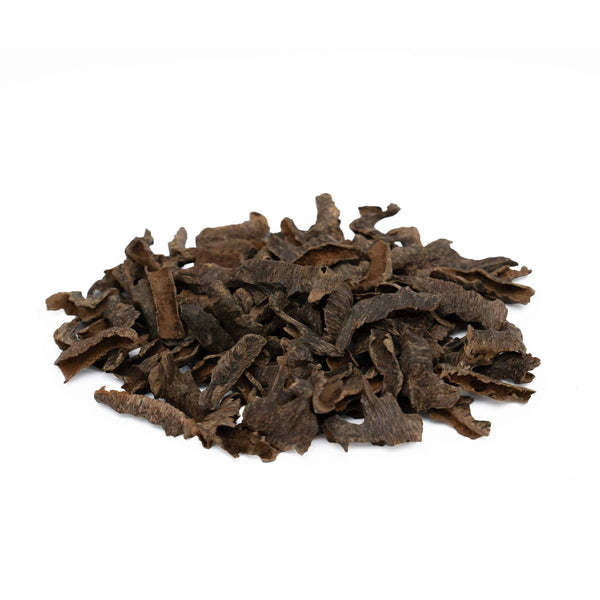
Visa Muri
Dhs. 350 and up
View product details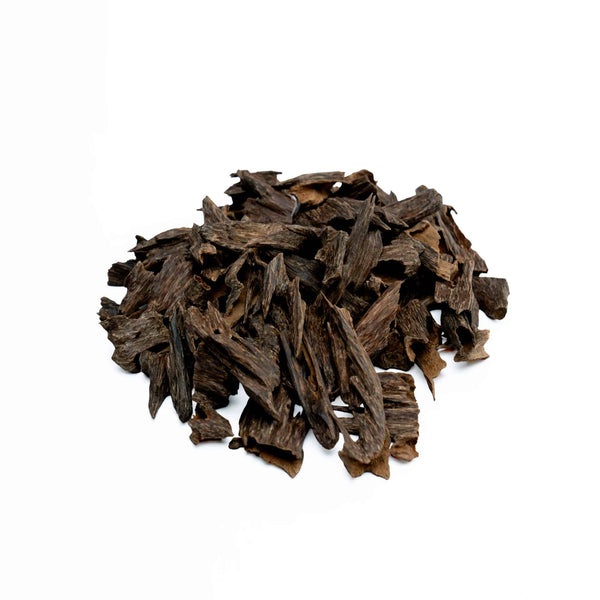
Muri Double Super
Dhs. 150 and up
View product details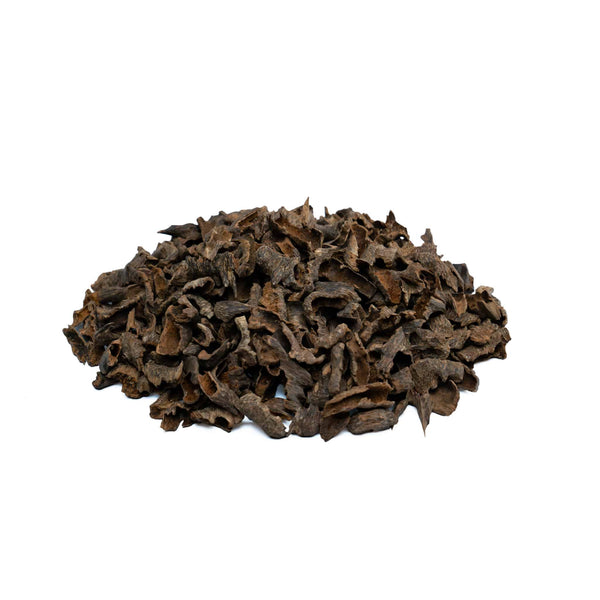
Mini Visa Muri
Dhs. 200
View product details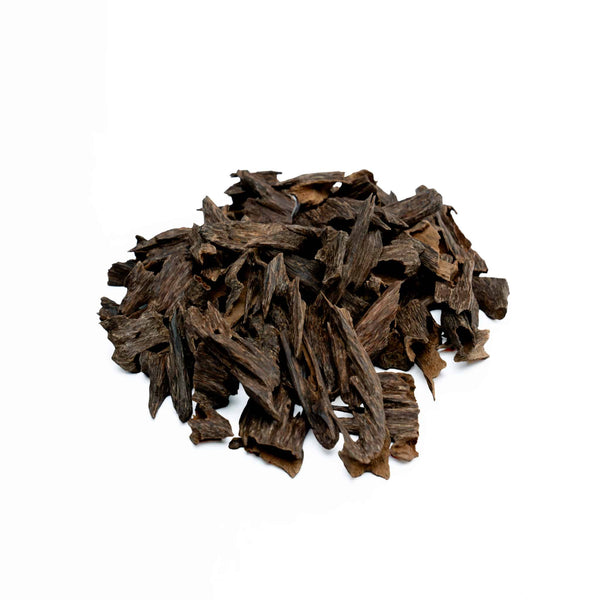
King Muri Munasibat
Dhs. 200 and up
View product details
Digga Muri
Dhs. 500 and up
View product details
Bol Muri Naqwah
Dhs. 250 and up
View product detailsFind our current contact details on the Contact page.