
AL MUTALIB · WAYS TO BUY
Personal-use oud buying in Muscat
Compare a first personal oud purchase with a planned repeat for Muscat. Use exact product references and choose the amount that fits your present routine.
Ask about a productDecide whether this is a first purchase or a planned repeat
For personal oud buying in Muscat, the right starting question is whether you are making a one-off choice or planning to buy the same product again. A first purchase needs enough clarity to evaluate the format and amount without overcommitting. A planned repeat begins from an exact item you already know. Both decisions depend on the current product description, but they use your earlier experience differently. Identify which situation applies before comparing sizes or filling a cart.
Muscat describes where you will receive the goods. It does not establish a shared local preference or a reason to choose one origin over another. Your intended use, familiarity with the exact product and desired amount are more useful selection criteria. This guide helps distinguish exploration from replenishment so a personal purchase remains focused, whether you want one item for an occasion or a product that may become part of your routine.
Give a one-off purchase a specific purpose
If you are buying once for a particular use, describe that use plainly. You may want a wearable fragrance for yourself or a product you intend to use at home. Choose the format first. An appealing product can still be wrong for your present routine if its use depends on equipment or a preparation you have not considered. A focused purpose helps keep the purchase from becoming an assortment of unrelated experiments.
The amount should fit your confidence in the selected product. A first purchase does not have to be the largest available variant, even when it appears attractive in a unit-price calculation. Read what the actual option contains and decide whether you want that total quantity. Avoid assuming a guaranteed number of applications or sessions. Your eventual experience with the product provides a better basis for a later quantity decision.
Use each collection for its described buying route
Oud wood is the route for wood listings. Read the exact weight and product information before making a personal-use choice. Dehnal Oudh provides listings sold as oud oil. Neither a category label nor a familiar product name should be expanded into unsupported claims about purity, ageing, origin or scent. Keep your decision tied to the description of the exact item and selected variant.
Oud perfumes, attar and bakhoor offer other routes that may match your intended use. Review the actual supplied form and amount within each. Do not treat a bottle volume and a wood weight as equivalent measures of personal value. First ask whether the product fits the routine you want; only then compare relevant quantities and current costs among sensible candidates.
Make a repeat purchase from an exact record
For a familiar product, find the actual order record or saved product reference. Confirm its title, link, selected variant and supplied amount. If an alternative was accepted previously, use the item actually received rather than the first candidate you considered. A remembered photograph or a shortened origin name may not distinguish the correct listing. The past record should identify the product, not replace a fresh review of the current page.
Check current availability, variants and the description before ordering again. A successful earlier purchase is useful personal evidence, but it does not establish unchanged stock, pricing or supply form. If you want a different amount, make that a deliberate new choice. You can repeat the product while revising the quantity, provided the current option is clear. Preserve the distinction between the familiar item and the revised purchase specification.
Compare one-off and repeat quantities sensibly
A first order can prioritise learning whether the product suits you. A repeat can use your own observations about the previous amount. Ask whether you finished it sooner than expected, still have some remaining or want it only occasionally. These are practical questions, not exact consumption forecasts. A larger repeat quantity may fit one buyer's routine, while the same familiar product in a smaller amount may fit another's.
If you compare variants, keep the complete price and selected amount together. Unit arithmetic can help explain comparable sizes, but it does not make more product automatically desirable. Buying a larger amount means committing to that total and keeping it for your own intended use. Read any stated handling or storage information on the exact listing. If an important instruction is unclear, ask before relying on a quantity intended for longer use.
A Muscat buyer's first-to-repeat decision
Imagine you choose one wearable product for personal use and save its exact reference after purchase. Later, you decide you would like to order it again. Rather than browsing from memory, you open the current listing and compare the available variants with your earlier record. You consider whether the amount purchased last time matched your routine and whether a different current option would be useful now.
If the exact item is not available, you do not automatically accept another product with a related name. You review the proposed alternative as a new personal choice. It may fit the same general use, but it still requires its own description and quantity decision. This illustration shows how a repeat plan can reduce identification work without removing the judgement needed when the product or supplied arrangement changes.
Keep an exploratory shortlist short
For an unfamiliar format, choose a few candidates whose intended use you can understand. Record exact links, selected amounts and the questions still open. If the shortlist spans several unlike formats, resolve the use decision before comparing every price. A wood pack and an oil bottle may both interest you, but each answers a different practical question. You do not need one purchase to explore the entire catalogue.
Ask about missing product information with the exact reference. State the specific uncertainty rather than requesting a universal best product. Your own preferences and routine remain part of the decision. A helpful response should clarify the described goods; it should not be interpreted as a guarantee that every buyer will enjoy the same item. Once the main uncertainty is resolved, choose the amount appropriate to that decision.
Plan a future repeat without assuming a standing arrangement
If you expect to purchase again, keep a simple personal record of what you bought and how the amount suited your use. That can help the next order begin with an accurate reference. A personal repeat intention does not establish reserved stock, an automatic subscription or recurring pricing. Each new purchase should be reviewed through the current product and order information unless a specific arrangement has been confirmed separately.
For a larger planned quantity, explain the requirement through an enquiry rather than treating your repeat intention as proof that the goods can be offered in any amount. If you need several separate units, state that count along with the selected size. The future-use plan may be personal, but the current supply specification still needs to be concrete. Keep the practical record useful without turning it into an assumed supplier commitment.
Check the complete cost and receiving details
Review the current payable total, including relevant delivery charges, against your budget. If a different variant is selected from the previous purchase, redo the comparison rather than relying on the earlier amount. Check the exact product and unit count in the cart. Remove accidental duplicates that may appear during browsing. A repeat purchase can feel familiar, yet the final order still needs a complete review.
Provide a complete Muscat receiving address and a reachable contact through the appropriate order route. If another person will accept the goods, ensure they know about the purchase. A one-off order and a repeat may use different receiving details, especially if your circumstances have changed. The product reference can stay the same while the destination record needs updating. Check both parts of the actual order before completing it.
Use central delivery information for each purchase
The owner states delivery within seven days across the GCC. Contact centralises delivery information and questions about the actual Muscat order. If you need the product for a particular date, ask about that requirement rather than relying on the memory of a previous delivery. Current availability and the new receiving arrangement still matter. A familiar earlier order should not become an unexamined timing assumption for the next one.
The Oman personal-use guide provides the country-level route. Retain the final product and variant record after receipt. If your purchase was exploratory, you can use that information to decide whether a repeat makes sense. If it was already a repeat, note any deliberate quantity change. The record supports a personal buying decision based on the exact goods rather than a vague recollection of the collection.
One-off and repeat questions
Does a planned repeat justify buying more now?
Only if the current amount fits your actual intention and budget. Planning to buy again does not mean a larger first quantity is necessarily useful. Review the selected variant and your confidence in the product. If you already know the exact item, your experience may support a different amount, but the current purchase still needs to be justified by what you want to receive now.
What if I cannot find the exact product again?
Use the saved reference in an enquiry and ask about the current item or a clearly identified alternative. Treat a replacement as a new decision, with its own description and supplied amount. Do not transfer the former product's stated facts to another listing. If no confirmed option fits the intended use, you can reconsider the purchase rather than accepting an unclear substitute.
What is the most useful note after a first purchase?
Record the exact product, selected variant and amount, then add whether that quantity suited your routine. Keep the note about your own experience separate from objective product claims. When you return, open the current page and check present terms. A concise accurate record can make a future personal-use order easier while preserving the need to review the actual goods being offered. ## Keep the current purpose visible
Before confirming the cart, name the reason for this particular purchase in one sentence. A first exploration and a familiar replenishment may use the same collection but support different quantity decisions. That simple statement can help you recognise an optional addition that no longer serves the intended purpose.
Explore the relevant products

Baby Salla
Dhs. 110 and up
View product details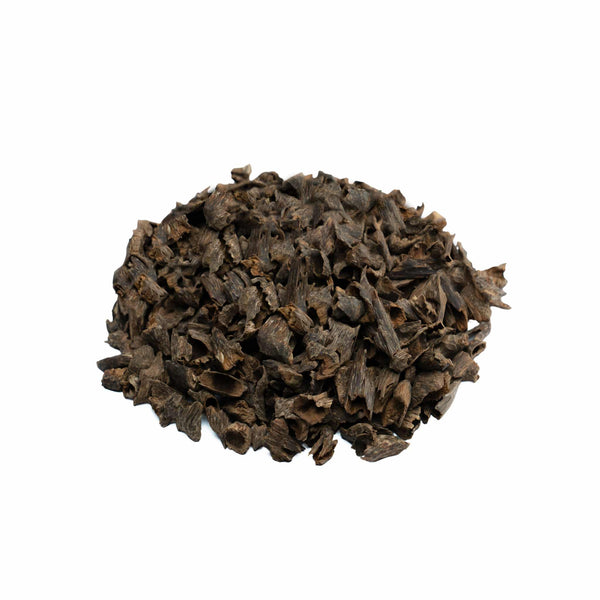
Bol Muri Naqwah
Dhs. 250 and up
View product details
Char Gaf
Dhs. 75 and up
View product details
Dehen oud combodi pursat
Dhs. 375 and up
View product details
Dehen Oud Hindi Qadim (25 YEARS)
Dhs. 1,000 and up
View product details
Dehen oud hindi Sioufi
Dhs. 300 and up
View product detailsFind our current contact details on the Contact page.