
AL MUTALIB · WAYS TO BUY
Buy oud for personal use in Oman
Choose an oud format and quantity for your own routine in Oman. Compare current wood, oil and perfume listings and prepare a clear receiving plan.
Ask about a productAn origin name can be an interesting place to begin browsing oud, but it is not enough to choose a personal purchase. Before buying for delivery to Oman, decide what you want the product to do. A wearable bottle and a wood pack can share a geographical reference while belonging to completely different routines.
This guide starts with use, then brings origin and other product language back into the comparison where it is helpful. It is for your own shopping rather than resale or a large project. The personal-use oud guide connects it to the main buying route.
Put your intended use into one sentence
Try “a bottle for regular wear,” “wood for my existing home-fragrance setup,” or “a smaller purchase to explore a new listed product.” The sentence does not have to sound sophisticated. Its purpose is to keep the decision grounded in your life.
If you are replacing a favourite, identify the full product and variant. If you are exploring, identify what is new: another named product, a different format or a different quantity. These are separate changes and may deserve separate questions.
This step prevents a broad search from becoming an unplanned collection. You can appreciate several origins and formats without buying them all now. Choose the need you want this order to meet and leave other interesting possibilities for another occasion.
Select the format before the origin
For wearable choices, review the actual descriptions in oud perfumes. Check the application format and available bottle size. A product name may suggest a theme, but the listing identifies the offered purchase.
For relevant oils, explore Dehnal Oudh and attar with their individual names and quantities in view. Keep different products distinct even if their bottles look similar. Their format is a starting point, not a complete identity.
For home fragrance, use oud wood and bakhoor as separate browsing routes. Match the selected item to appropriate equipment and instructions. If the format is unfamiliar, settle that practical question before allowing an appealing origin name to decide the purchase.
Use origin terms to narrow a suitable category
Once you know the format, an origin term can help you find products of interest within it. Read the description of the actual item rather than assuming every product carrying that word shares all the same characteristics.
If you have enjoyed a named product before, preserve that reference. Its origin may be one part of the identity, but the full name, format and variant are more useful for finding it again. A broad country word alone may lead you to another listing.
If an origin claim matters to the decision, ask about the specific offered product. Explain which two candidates you are comparing and the intended use. That creates a practical question rather than a universal contest between countries that may not help you choose one item.
Read shape and grade words alongside the specification
Wood shape labels can help you recognise the product being offered. Grade terms may distinguish items within a range. Treat both as part of the listing, not as a complete promise of suitability or performance.
If a grade is unclear, ask what separates the particular offers you are considering. A seller’s term should be understood through that seller’s description. This guide does not present grade labels as universal standards across all oud products.
You can be a careful buyer without memorising every label. Concentrate on the information that would change your purchase: product identity, intended use, quantity, current price and a specific distinction between candidates. The vocabulary becomes useful when it answers one of those questions.
Compare products that serve the same role
Choose two or three candidates within the suitable format. Put a short reason beside each: familiar replacement, smaller exploration option, or another named product you want to consider. If a candidate serves a different role, give it a separate decision rather than letting it confuse the comparison.
Read the selected quantities and prices in the same currency. A photograph can make one offer appear more substantial than another, but the written contents tell you what is sold. For a set, identify its stated components before comparing it with a single item.
If you ask for advice, share the shortlist rather than a large assortment of screenshots. A few actual links and a clear use question are easier to work with. You will also be able to understand how the answer relates to the choice you need to make.
Choose quantity as part of the commitment
Think about how familiar the item is and how often you intend to use it. A larger amount may suit an established product; a smaller commitment may suit exploration. Neither size is automatically the more serious choice.
Here is hypothetical arithmetic using invented prices. A 15-gram pack at 105 currency units gives 7 per gram. A 30-gram pack at 195 gives 6.5 per gram. The larger pack has the lower unit calculation but requires spending 90 more and choosing twice the amount of that item. Decide whether that fits your actual plan.
The calculation is a budgeting aid, not a quality measurement. For bottles, volume can support a comparison of compatible offers, but personal suitability remains separate. Read the real listing and use the current figures for your own order.
Keep an exploration budget distinct
If you want a familiar product and something new, allocate the spending separately. The replacement should not disappear from the basket simply because the exploration became more exciting. Equally, the new choice should have a reason beyond filling the remaining budget.
You can choose to increase the total, but make that deliberate. Write down the product amounts and any separately stated charge. If the purchase exceeds your comfortable limit, consider removing an optional item or choosing another listed quantity after review.
There is no need to prove a preference by purchasing every format associated with oud. A focused order can help you understand what you enjoy. The next purchase can build on that experience rather than on a large first basket whose items had no clear roles.
Consider who else will use the purchase
If the product is for you alone, your routine can guide the choice. If it is shared, ask the other users about format and purpose. A household purchase should not quietly become everybody’s fragrance simply because one person selected it.
For shared home fragrance, agree on the practical setting and appropriate use. For separate wearable choices, keep the named products and unit counts distinct. If the purchase is a present, move to the gifting route for recipient and presentation questions.
The distinction also matters for quantity. A shared requirement may justify another amount, but it should be calculated from the plan rather than assumed from the word household. Keep the intended users visible in your own notes.
Arrange the Oman destination
Confirm the receiving person, city and full address before payment. A saved address may belong to another recipient or an earlier purchase. Review it as part of the current order, independently from the product comparison.
Our Contact page is the central source for current service information. If you need the purchase before a particular date, provide that date with the product reference, quantity and Oman destination. A general enquiry becomes more useful when it describes the actual proposed order.
For a wood-focused continuation, see our personal-use oud wood guide. The destination tells the team where the order is to be received. The listing tells them what you want. Both should be clear when you ask for help.
Finish the choice without reopening every possibility
Before payment, return to the sentence you wrote at the beginning. Does the selected item still meet that need? If the decision changed, acknowledge the new purpose and make sure the basket reflects it.
Check the full name, format, selected size, contents and unit count. Then review the displayed total and receiving details. A correct price does not prove the correct variant is selected, and an appealing origin label does not prove the format fits your routine.
Keep the confirmation and product reference after ordering. They will help you repeat a successful purchase or explain a question. On the next order, compare the earlier record with the current listing rather than relying on a shortened origin description.
Give the next comparison a useful starting point
Save the product and selected size together with the purpose of the purchase. A note that you chose a particular bottle for a wearable routine is easier to reuse than an isolated photograph. It also helps you recognise when a later shortlist is solving a different problem. If you now want home fragrance rather than personal wear, do not let familiarity with the old product decide the new format automatically.
For replenishment, compare the accepted variant with the current listing before repeating it. If the quantity or supplied description differs, make that an explicit buying decision. Ask about a detail that materially affects your choice, using the current link. Your personal experience remains useful, but it should be connected with an identifiable product rather than transferred to every similarly named option.
For a wearable comparison, the personal oil page and personal perfume page help identify different practical questions. Use the route that fits your routine and keep the final selected size explicit.
Oman personal shopping questions
Should an origin be my first decision?
Begin with use and format. Once those are clear, origin terms can help narrow relevant products. Read each actual listing because a geographical name does not identify every detail of the offered item.
What if I already know an origin I enjoy?
Use it as useful context, especially alongside a previous named product. Preserve the full reference if you want a replacement. For another item, compare its description and quantity rather than assuming the origin makes it equivalent.
How can I compare unfamiliar grades?
Ask what distinguishes the specific listings in the seller’s range. Connect the question to your intended use. Grade wording should not replace reading the product specification or become a universal ranking without support.
Is a larger pack a better exploration purchase?
Not necessarily. Consider the additional spending and the amount you want to commit to an unfamiliar item. A smaller listed quantity may leave you more room to refine your preferences later.
Can I combine a replacement and a new product?
Give each a clear role and budget, then check the final basket against those decisions. Avoid allowing an optional exploration to become an accidental substitute for the familiar product you needed.
Where do I confirm delivery questions?
Use Contact with the actual selection, units, Oman destination and required date if one applies. Once those practical details agree with your plan, the purchase can remain focused on a product you genuinely intend to use.
Explore the relevant products

Baby Salla
Dhs. 110 and up
View product details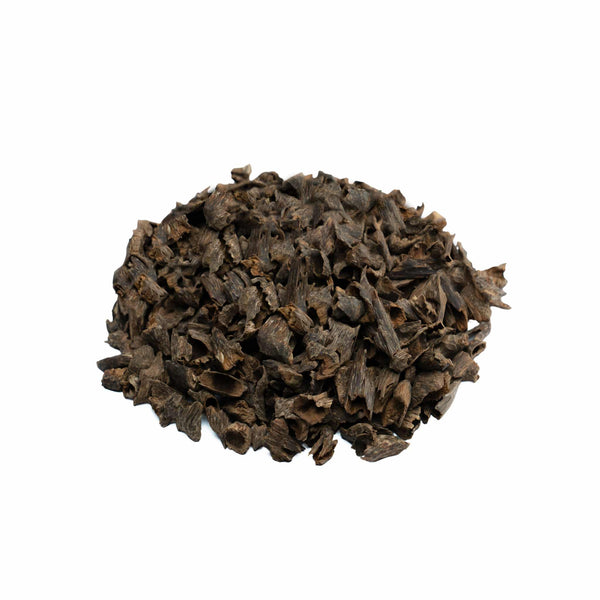
Bol Muri Naqwah
Dhs. 250 and up
View product details
Char Gaf
Dhs. 75 and up
View product details
Dehen oud combodi pursat
Dhs. 375 and up
View product details
Dehen Oud Hindi Qadim (25 YEARS)
Dhs. 1,000 and up
View product details
Dehen oud hindi Sioufi
Dhs. 300 and up
View product detailsFind our current contact details on the Contact page.