
AL MUTALIB · WAYS TO BUY
Choosing Oud wood for personal use
Compare oud wood packs for your own use. Read weight, photographs, origin and grade descriptions without assuming one name or shape decides the purchase.
Ask about a productBuying oud wood for yourself is a choice about an experience you intend to enjoy, not a competition to find the most impressive-looking pieces. The best starting point is the way you already use fragrance at home, the equipment you have and the amount you feel comfortable choosing from a written description.
The oud wood collection lets you explore current listings. This guide helps you compare them without treating a shape, origin name or grade label as a complete specification. It is for personal use: choosing a pack that fits your own interest and learning enough from it to make the next purchase more informed.
Decide whether wood is the experience you want
Oud wood is a heating purchase. It asks for appropriate equipment, time and attention to the product and equipment instructions. That may be exactly what you enjoy. If you are seeking something to wear quickly before leaving home, however, a wood pack is not the same solution as a fragrance bottle.
Make this distinction before comparing the catalogue. It prevents you from buying wood because it looks appealing while hoping it will fit a routine it cannot serve. Enjoying oud as a fragrance theme does not mean you must prefer every format associated with it.
If wood does fit your intention, decide what you want to learn from this purchase. You might be replacing a familiar product, comparing a new listed option or starting with a pack that suits occasional use. Those intentions lead to different sensible choices, even when the same products are available to every buyer.
Look at the complete listing before one attractive detail
Read the title, selected pack weight, written description and photographs together. Each contributes something different. The title identifies the product; the quantity establishes how much is listed; the description sets out the seller's stated details; and photographs help you understand visible presentation.
Do not let one of these replace the others. A name can suggest a line of enquiry without explaining every aspect of the product. A photo may show pieces attractively without providing a reliable scale. A weight can be precise while saying nothing on its own about the fragrance experience you seek.
If the listing leaves a detail important to you unresolved, ask about that item specifically. “Which product detail explains this grade label?” is more useful than a general request for the finest oud. A focused question helps you compare the actual candidates instead of collecting more names that you still cannot evaluate.
Compare equal weight without assuming equal character
Weight is a useful place to make a comparison fair. If two packs have different amounts, do not compare their total prices as though the quantities were equal. At the same time, equal weight does not mean identical wood, presentation or fragrance.
Consider a hypothetical comparison between a 10 gram pack and a 25 gram pack. The second offers two and a half times the stated weight. That arithmetic can help you understand the quantities, but it does not establish which product you will prefer or how long either will last in your own routine.
Use weight as one clear fact within the decision. Then return to the product descriptions and your intended use. A larger pack of an unfamiliar option may be less comfortable than a smaller available pack that lets you explore it deliberately. A larger quantity of an exact favourite may make sense for quite different reasons.
Let photographs answer visual questions
Piece photographs can help you understand what the product looks like. You may be able to see a stated shape, variation in visible pieces or the presentation of a pack. This is useful when you want to recognise the item or ask a question about something visible in the listing.
Images cannot tell you precisely what you will smell when heating it. Nor should apparent darkness, density or decorative shape become a substitute for a supported product description. Light, camera position and scale all influence how an image looks on your screen.
If an accessory appears beside the wood, check whether it is included. A burner in a styled photograph does not automatically turn a pack into an equipment set. Your buying decision should be based on the actual listed contents, not the surrounding scene.
Keep origin, grade and shape in their proper places
Origin can be meaningful where the listing makes a clear claim, but it does not remove the need to examine the item itself. Products carrying the same country or regional name can still have different stated quantities and descriptions. Use the origin to organise your search, then use product-level details to choose.
Grade terminology requires the same care. Do not assume every seller uses a name according to one universal scale. Look for the explanation attached to the listing. If a grade term is central to your choice and no definition is provided, ask what it means for that product.
Shape may be relevant to how pieces are presented and handled, but it should not carry a promise about quality or scent by itself. A preferred appearance can be a legitimate personal choice. It becomes misleading only when it is treated as proof of a fragrance result that the listing has not established.
A first purchase with a specific learning goal
Imagine someone who has appropriate equipment and wants to explore wood for occasional personal use. This is a hypothetical buying example. They shortlist two products with available quantities they are comfortable purchasing. One has a familiar origin label; the other has a clearer written description of the actual listed item.
Instead of choosing immediately by origin, they note each pack weight and ask one unresolved question about the first listing. Their decision then rests on the available information and the amount they want to try. They do not buy a much larger third pack merely because it looks more substantial in the photographs.
After receiving the chosen item, they keep its exact reference and make simple notes about their own experience. On a later purchase they can ask for the same product or deliberately compare another listing. The initial goal was not to prove that one name is universally best; it was to understand what they personally enjoyed.
Avoid turning quantity into a predicted number of sessions
It is tempting to divide a pack into an assumed number of uses and judge value that way. Unless there is a relevant supported statement, treat that calculation cautiously. Amounts used, equipment, personal routine and intended experience differ from one person to another.
You can still plan sensibly without an exact session count. Choose a listed quantity that fits your familiarity with the product and your available budget. For an occasional purchase, that may be different from the quantity you would choose for a known favourite you return to regularly.
If you already use wood, your own records may give you a better guide than a generic claim. Keep them tied to the actual product and routine. They are personal planning notes, not a universal performance promise that should be applied to every pack in the category.
Use suitable equipment rather than making the purchase solve it
Before ordering wood, make sure you have a suitable heating arrangement and understand its instructions. The purchase of a wood pack does not establish that all burners work identically or that a decorative object is appropriate equipment. Follow the guidance for the actual product and device.
If you are uncertain about a listed inclusion or instruction, ask before buying. It is better to settle one practical question than to receive the product and invent a method. That is particularly important if you are choosing wood for the first time rather than replacing something familiar.
Keep the pack identifiable while you learn how you enjoy it. Retain the product reference and follow any stated storage guidance. There is no need to invent a universal storage rule for every wood listing when the relevant product information should guide your handling.
Plan your next choice from a real observation
When you enjoy a purchase, record why in language that makes sense to you. Perhaps you liked using it during a quiet evening, or found the quantity suited occasional use. A short honest note is more valuable than a borrowed description that sounds impressive but does not reflect your experience.
If you want something different next time, identify the part you want to change. That produces a useful enquiry and a focused comparison. It also helps you avoid assuming that changing only the origin, shape or grade name will necessarily deliver the result you want.
Return to the personal oud buying hub for other formats, or use ordering oud wood online when you have chosen a product and want to check the basket details. Current service information belongs on Contact, where delivery and enquiry details can be kept up to date.
Questions about choosing wood for yourself
Is a larger piece better than a smaller piece?
Piece size alone does not settle quality or fragrance. Examine the actual listing and its description. A visual preference can guide your choice, but it should not be mistaken for a universal measurement of how the wood will perform.
Do I need several origins in my first order?
No. A focused purchase can teach you more about your own preferences than an unfocused assortment. Choose a manageable shortlist and keep a reason for each candidate. You can explore additional products later with a clearer comparison in mind.
Can I compare wood by price per gram?
That can help compare quantities, provided you use the actual listed amounts and prices. It does not establish that two products are equivalent. Product identity, description and your intended experience remain separate parts of the decision.
What should I ask when a grade is unclear?
Send the product link and ask how that term is defined for the listed item. This keeps the answer relevant to your purchase. Avoid assuming that the same word has one fixed meaning throughout the market.
What is the most useful record to keep?
Keep the exact product, selected weight and order reference, followed by a brief note about your own use. Those details make a future replacement or comparison much easier than remembering only a broad origin name.
Explore the relevant products

Zura Yaumi
Dhs. 125 and up
View product details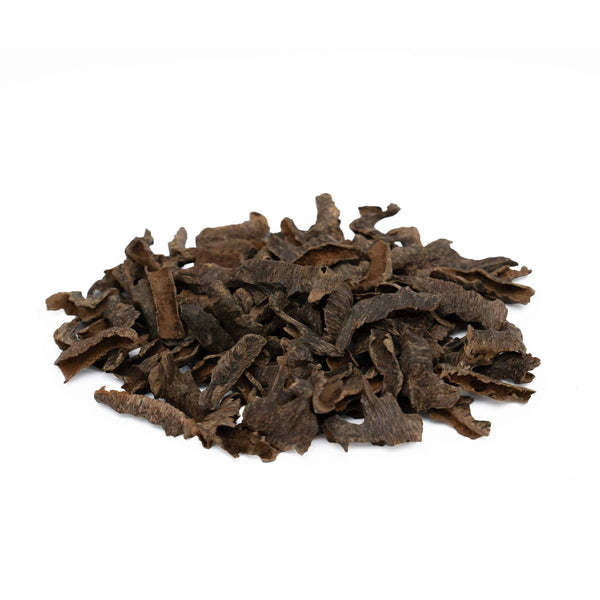
Visa Muri
Dhs. 350 and up
View product details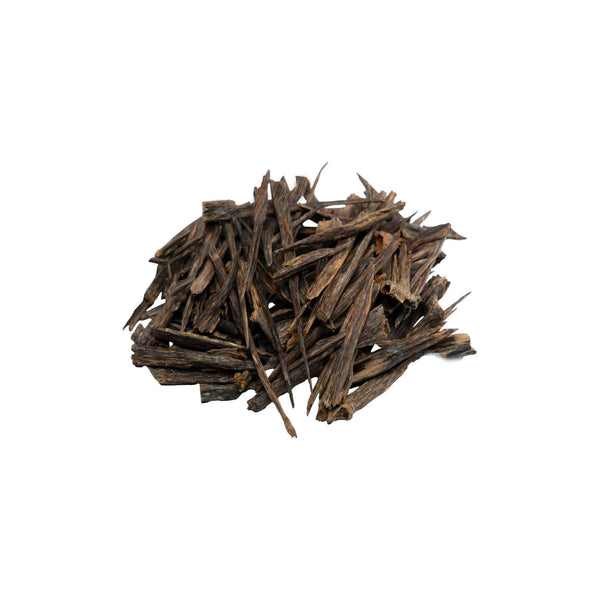
Seyufi Salla Naqwah
Dhs. 200 and up
View product details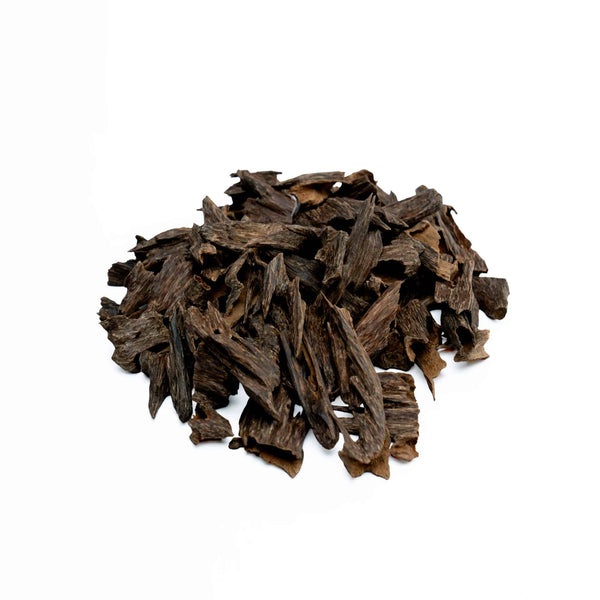
Muri Double Super
Dhs. 150 and up
View product details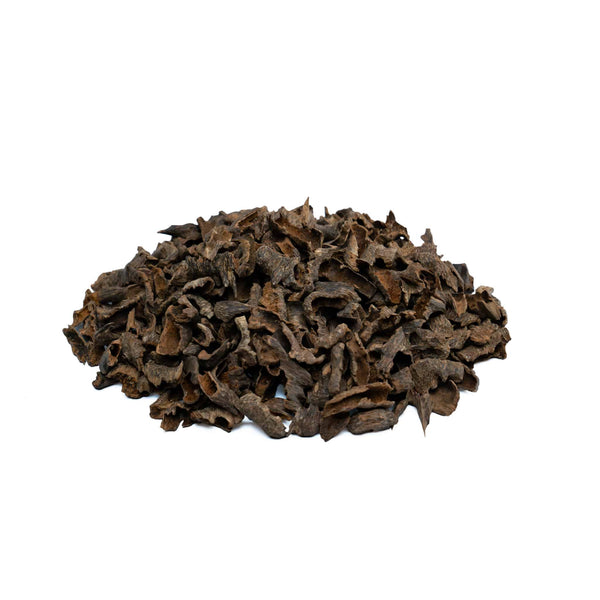
Mini Visa Muri
Dhs. 200
View product details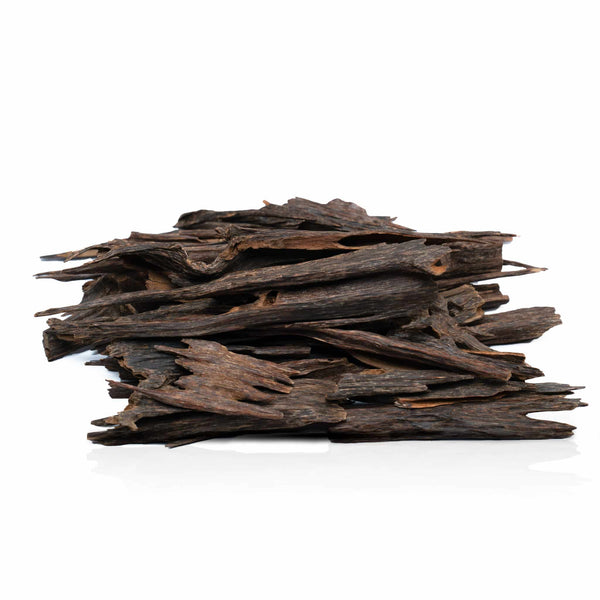
Zura Malaki(Imphal)
Dhs. 450 and up
View product detailsFind our current contact details on the Contact page.