
AL MUTALIB · WAYS TO BUY
Wholesale oud enquiries for Ajman
Build an oud resale shortlist for Ajman. Specify wood, oils or perfumes by product, size and units, then request terms for your actual requirement.
Discuss your requirementsAsk for a resale assortment you can explain
A wholesale oud enquiry for Ajman should begin with the products you intend to resell, rather than a request for the largest available quantity. An assortment is useful when each line has a clear place in your offering. You might want a small number of wood options, a wearable fragrance range, or several formats for customers with different routines. Those are different buying plans. Explaining which one you have in mind helps turn a general wholesale conversation into a product-by-product enquiry.
Al Mutalib's parent website invites agarwood wholesale enquiries. That establishes a route for discussing requirements; it does not establish a fixed trade price, a minimum for every product or the availability of every retail item in a particular quantity. Use the current store listings to identify your interests, then ask about the resale quantities you need. This guide is for buyers receiving an order in Ajman who want a manageable, clearly specified assortment rather than an unexplained list of oud names.
Separate the resale plan from your personal favourites
Knowing which fragrance you enjoy is helpful, but it does not tell you what every customer will want. Start by defining the choices your assortment will offer. A wearable-only range is different from a range that includes wood for heating. A few clearly separated formats may be easier to explain than many products with overlapping descriptions. Choose the range around the buying questions you expect to answer, then identify the listings that support those questions.
For example, you might compare oud wood for customers who already use suitable heating equipment, Dehnal Oudh for buyers seeking products sold as oud oil, and oud perfumes for wearable fragrance choices. This is not a recommendation to stock all three. It is a way of giving each proposed line a reason to exist. If your resale plan serves only one use, keep the initial enquiry focused on that use.
Define a product line in full
A resale list needs more than “oil, twelve” or “wood, several packs.” Record the exact product title or URL, the selected variant, the pack or bottle quantity and the number of units requested. For wood, separate total weight from the number of retail packs you are asking about. For bottled fragrance, distinguish the volume in one bottle from the number of bottles. This makes the requirement readable and gives you a sensible basis for comparing a response.
Suppose, as an illustrative planning exercise, you want twelve bottles of one listed 3 ml product. Your requirement is twelve bottles of that exact variant, representing 36 ml in total. It is not a request for one 36 ml bottle, and it is not automatically a request for loose oil to be repacked. Packaging and supply format change the requirement. State which form you need and ask whether it can be supplied, rather than assuming the same total volume means the same order.
Make a compact assortment earn its place
Before expanding the number of lines, ask what each one contributes. Two products can have different names while answering almost the same customer question. Conversely, an oil bottle and a wood pack can share an origin word while requiring different explanations. A compact shortlist should make those differences visible. You can describe the role of each product in a sentence: wearable application, wood for heating, or another use established by the listing.
If you include attar, examine the individual descriptions rather than classifying every item as pure oud oil. If you include bakhoor, maintain the distinction between that listing and the wood products you have selected. Your future customers should be able to understand what each product is for without relying on an ambiguous umbrella term. A clear assortment also makes future replenishment easier because you know which lines are intended to be repeated.
An illustrative opening enquiry
Imagine a buyer planning an Ajman resale assortment with two wood listings and two bottled fragrance listings. The first message could identify all four URLs, the selected size of each, a provisional unit count and the intended receiving location. It could then ask which lines are available for the requested quantities and what minimum applies to each proposed supply format. This is much more useful than asking for “wholesale oud prices” with no indication of product or quantity.
Keep provisional numbers clearly marked as provisional if you are still balancing the assortment. You might say you want to compare a smaller initial quantity with a larger repeat quantity, provided both can be quoted. This does not presume a discount or a sample arrangement. It gives the supplier context for a written response. If one line is central to your plan and the others are optional, identify that too. The strongest requirement should not be hidden among several products you are merely considering.
Compare responses on a like-for-like basis
When you receive a quotation, check whether it answers the same product specification you sent. Confirm the product name, variant, supplied quantity and packaging form. If a price is expressed per gram, per bottle or per pack, keep that unit visible. A lower number can be misleading when it refers to a different quantity or form. Your first comparison should be whether the proposed supply matches the requirement, followed by the cost of that matched requirement.
Use arithmetic to reconcile the quote, not to create a quality verdict. A hypothetical offer for ten 12 g packs represents 120 g total, but it is not identical to a single 120 g supply if you need separate retail packs. Likewise, two bottle sizes with the same product family name may require a different resale plan. Ask about an unexplained difference directly. It is better to understand a revised specification before agreeing than to discover that the products suit a different customer use after receipt.
Decide which substitutions need your approval
Write down the attributes you would not want changed without checking. These might include the exact product, format, variant size or packaging described in the quotation. Do not rely on a phrase such as “similar oud” to cover several different possibilities. A perfume is not a direct substitute for a wood pack because both include oud in the title. Even within a collection, a different listing needs its own assessment against your resale purpose.
If the requested product is unavailable in the desired quantity, ask for a proposed alternative with a separate description. You can then decide whether it fills the same place in your assortment. Keep the comparison factual: intended use, stated quantity, supplied form and the relevant listing details. Avoid claiming a universal grade equivalence or guaranteed origin-specific scent when those have not been established. The customer explanation you eventually give should follow the actual supplied product, not an assumption carried over from the first choice.
Plan receipt as part of the trade purchase
Choose the Ajman receiving point before finalising a quantity enquiry. State whether the parcel is going to the person who will check it, or to another receiver who will pass it on. Include a complete destination when it is needed for the response and provide the practical details requested through the store. A trade order can involve more checking than a personal bottle purchase, so decide who will reconcile the supplied lines with the agreed specification.
The current contact route and ordinary delivery information are on Contact. Quantity availability and preparation timing should be discussed for the actual proposed order. Do not treat normal catalogue checkout wording as confirmation that a larger mixed assortment can be prepared on the same schedule. State your intended receiving date and ask for the preparation and dispatch arrangement that applies. This keeps product availability and delivery planning in the same conversation without inventing a wholesale service promise.
Keep a reference for the next order
A useful purchase record includes the quoted product identifiers, supplied sizes, number of units and the details that mattered to your assortment. After receiving the order, check those against the goods and retain the record for replenishment. This is especially helpful when you need one successful line again. The next enquiry can refer to an exact listing and quantity rather than a remembered bottle colour or a broad country name.
As your resale offering develops, use your own observations to decide which lines to repeat. Customer questions, the clarity of product explanation and your actual replenishment needs are better guides than an assumption that every larger assortment performs better. The UAE wholesale oud guide gives the wider route, while the wholesale wood guide helps keep wood requirements distinct from bottled fragrance. Return to these routes when your assortment changes format or scale.
Wholesale questions for Ajman buyers
Is there one minimum order for all oud products?
No single minimum is established here. Ask for the minimum that applies to the specific product and supply format in your enquiry. A wood requirement, a bottle requirement and a mixed assortment are not automatically governed by identical terms. Include your intended quantity so the response can address a real proposal. A clear minimum response is useful only when you know which item and packaging form it refers to.
Should I ask for a large number of products at once?
Ask for as many lines as you can justify and describe. A broad enquiry can be useful if your resale plan genuinely needs breadth, but a vague long list makes comparison harder. Prioritise the core products and label optional lines as optional. This helps you make a decision if only part of the shortlist is suitable for the quantities requested, without losing the purpose of the order.
How do I keep the retail and wholesale decisions separate?
A retail listing helps you identify an item and its description. A wholesale enquiry establishes whether the required quantity and terms can be supplied for your resale plan. Use the former as a product reference and the latter for the trade decision. Keep both records together, confirm the actual written proposal, and arrange receipt in Ajman around the products you have agreed rather than around an unverified expectation of wholesale pricing or service.
Explore the relevant products
Use these listings as product references for your enquiry. Quantity availability, trade terms and any requested presentation are confirmed separately.

Baby Salla
View product details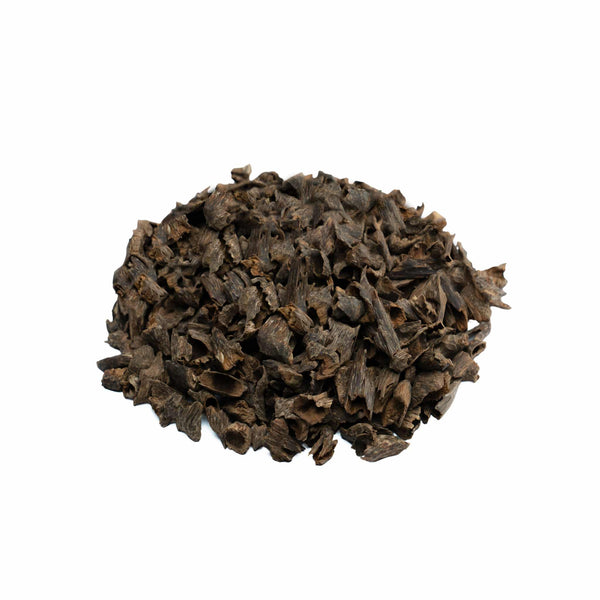
Bol Muri Naqwah
View product details
Char Gaf
View product details
Dehen oud combodi pursat
View product details
Dehen Oud Hindi Qadim (25 YEARS)
View product details
Dehen oud hindi Sioufi
View product detailsFind our current contact details on the Contact page.