
AL MUTALIB · WAYS TO BUY
Wholesale oud enquiries in Bahrain
Build a Bahrain resale range with precise product references and useful repeat-order questions. Review quantities, specifications and the current trade offer.
Discuss your requirementsThe first trade order establishes a range; the next order asks whether you can repeat the parts that worked. For a resale business in Bahrain, wholesale oud planning should therefore include both the current assortment and the questions that will matter when you return to replenish it. A product list is more useful when its identities and quantities remain clear beyond the first quotation.
Al Mutalib’s parent website provides a wholesale enquiry route. This guide helps you prepare a Bahrain resale brief with product specification and repeat-order questions in view. The wholesale oud hub connects it to the main trade buying route.
Decide what the current request needs to achieve
Are you starting a small range, adding a category or replenishing named products? State the purpose at the top of the enquiry. These requests may use the same catalogue, but they call for different decisions about quantity and acceptable alternatives.
For a new range, focus on a manageable set of products with distinct roles. For replenishment, identify the earlier item precisely and state whether the exact product is required. For an addition, explain how it sits beside what you already offer.
Avoid requesting every origin or format just because the catalogue is broad. The range should reflect your business plan. A focused request gives you an assortment you can assess now and a clearer record to revisit later.
Record product identity before commercial assumptions
Choose actual listings from oud wood, Dehnal Oudh, oud perfumes, attar or bakhoor. Use only the categories relevant to your intended resale selection.
For each item, save its full name, current link, variant and stated contents per unit. Add the proposed unit count separately. A brief that says only “oil bottles” or “wood packs” leaves too much unresolved for a repeatable range.
The retail catalogue helps identify the goods. Applicable trade pricing, minimum quantities and other terms need to be discussed for your request. Do not carry an assumed discount into a margin calculation before obtaining the actual offered terms.
Distinguish a named product from a broad description
A named listing gives the enquiry a clear reference. A broad description such as Hindi oud or perfume oil may cover more than one possible offer. If the resale plan depends on a particular item, preserve that identity in every version of the list.
For wood, connect origin, shape and grade terms to the offered product. Ask what the description specifies for that item. Grade labels are not presented here as universal standards, and a shared origin word does not establish that two products are equivalent.
For bottles, compare the volume and format as well as the name. A product may be familiar while the selected size differs from your previous purchase. Your request should say which version is wanted, especially when customers expect a particular unit size.
Ask the batch questions that affect your decision
If a batch-related specification matters to your resale offer, explain what you need to understand about the proposed supply. Ask how the current goods are identified and which relevant details can be confirmed. The question should be tied to the actual product, not an open demand for every possible document.
Do not assume that a later purchase will automatically have identical terms or availability. A repeat-order discussion should identify the current product and any relevant changes. You can ask what information would help match a future enquiry to this purchase.
If consistency is essential to your customer offer, make that requirement visible before approval. An alternative with a similar name may still need review. The purpose is to understand the supplied goods accurately, not to attach a guarantee that has not been stated.
Build an allocation you can replenish
List quantities by product role. A replenishment line may have a different commitment from an exploratory addition. Keep the distinction visible so a new product does not absorb the budget intended for established items.
For hypothetical planning arithmetic, imagine 18 units of a familiar bottle, 10 of an alternative and 6 wood packs. The request contains 34 selling units across three lines. Increasing the new alternative to 16 makes 40 units overall, but it also changes the allocation. The additional six units belong to one commercial choice, not to the range equally.
These are invented figures, not recommended stock levels or minimums. Use your own planned quantities and ask about the applicable minimum for the selected goods. If the minimum requires a revision, review the allocation rather than expanding every line automatically.
Compare the current quotation on its own terms
Read product specification, unit count, currency and price together. Keep separately stated charges visible. A quotation should be compared with the request it answers, not with a remembered figure from another product or an earlier period.
As hypothetical arithmetic, 18 bottles at 72 currency units produce 1,296. Ten at 88 produce 880, and six packs at 95 produce 570. The product amount is 2,746. If one line changes, recalculate the total and check whether the goods themselves also changed.
These prices are invented to illustrate the calculation. Your decision uses the actual offered figures. A lower unit number is not sufficient if it requires a larger quantity or a different product than the assortment needs.
Keep repeat-order questions separate from guarantees
It is reasonable to ask how to prepare a later replenishment enquiry. You may want to know which product references to quote, whether a particular size is currently offered or how to discuss a future quantity. These are useful questions, not promises of permanent availability.
Save the accepted product and order record. When returning, include that reference and the new requirement. The team can then understand whether you want the same item, another size or a revised assortment.
Do not treat the first price as a standing agreement unless an actual arrangement says so. Future offers need their own review. Clear records make that review easier because you can identify what is being repeated and what is different.
Specify the Bahrain receiving plan
State the destination, receiving person and contact details in the enquiry. If the goods support a launch or replenishment date, provide the date they must be received. Preparation and delivery should be considered for the requested quantities.
The Contact page holds current service wording and the route for discussing the proposed order. Keep the destination attached to the line list so timing does not become a separate conversation about unspecified goods.
For an oil-centred range, our wholesale Dehnal Oudh guide provides a focused continuation. The Bahrain destination is a receiving requirement for an online trade enquiry, not a claim of local stock or premises.
Approve alternatives against the range
If a requested item cannot be supplied as proposed, ask for the alternative’s own reference and terms. Compare the role, format, size and quantity before considering whether its price suits the budget.
For a replenishment line, you may need the exact product and decline alternatives. For an exploratory line, you may be willing to consider another listing. State those different positions rather than describing the entire order as either flexible or fixed.
Keep any accepted change in the final record. The receiving person should have the approved list, not only the original request. A later replenishment enquiry also benefits from knowing what was actually purchased after the discussion.
Turn receipt into a useful record
On receiving the goods, compare the identifiable items and unit counts with the confirmation. Retain relevant details if something needs clarification and use the order reference when contacting the team. The aim is a precise question, not a general complaint about an undefined assortment.
Keep the accepted range in a simple record for future purchasing. You may later choose to repeat some lines, reduce others or introduce another product. That decision should be visible as a revision to the assortment rather than a new enquiry assembled from memory.
Wholesale buying becomes easier to review when each order has a clear identity. The current transaction settles what you are buying now; the record helps you ask a better question next time. Neither requires claiming that every later offer will remain unchanged.
Share the approved version before ordering
If purchasing and receiving are handled by different people, send both the same concise accepted list. Include any revision to product identity, unit count or timing. The list should describe the current offer, not require somebody to reconcile several previous proposals.
This also helps if your own business reviews expenditure separately from assortment choice. The person checking the amount can see which goods the total represents. If another change is requested, update both the product and calculation together before approval. One clear version gives the first transaction and any later replenishment enquiry a reliable point of reference.
Review the final assortment once more from the receiving colleague's perspective. They need the names, current variants and number of units to expect, not every product you considered. Where a change was accepted, make it explicit in the record. Keeping the final specification separate from exploratory messages makes both receipt and later replenishment easier to explain through a focused current enquiry.
The wood resale guide and perfume resale guide offer focused routes for additional assortment lines. Bring their specifications into the Bahrain enquiry with the same clear pack sizes and counts as the oil requirement.
Bahrain trade planning questions
What should I include for a repeat purchase?
The earlier order reference or full product details, the new requested quantities and your current destination. State whether the exact item is required. Compare the current offer with your requirement rather than assuming the earlier terms apply automatically.
Can I ask about batch-related details?
Yes, explain which relevant specification affects your resale decision and identify the actual product. Ask what can be confirmed for the proposed supply. Avoid treating an unanswered request as a guarantee or documentation promise.
Is a familiar origin name enough to match a product?
Use the full listing and variant. Origin words can help navigation, but they do not identify every product detail. For a replenishment request, a current or previous product reference is stronger than a broad category label.
How should I handle a new line beside established items?
Give it a separate role and quantity. Review whether it changes the allocation of budget you intended for replenishment. An exploratory purchase can be considered without expanding the whole range equally.
Where do I find the minimum quantity?
Ask about the applicable minimum for your proposed products and format. This guide states no fixed threshold. Clarify its basis so you can revise the assortment deliberately if needed.
What makes the first order useful for the next one?
A clear accepted list, quantities, product identities and order reference. Retain any relevant clarified specification and receiving details. That record lets a later Bahrain wholesale enquiry begin with the goods you actually purchased rather than with an approximate memory.
Explore the relevant products
Use these listings as product references for your enquiry. Quantity availability, trade terms and any requested presentation are confirmed separately.

Baby Salla
View product details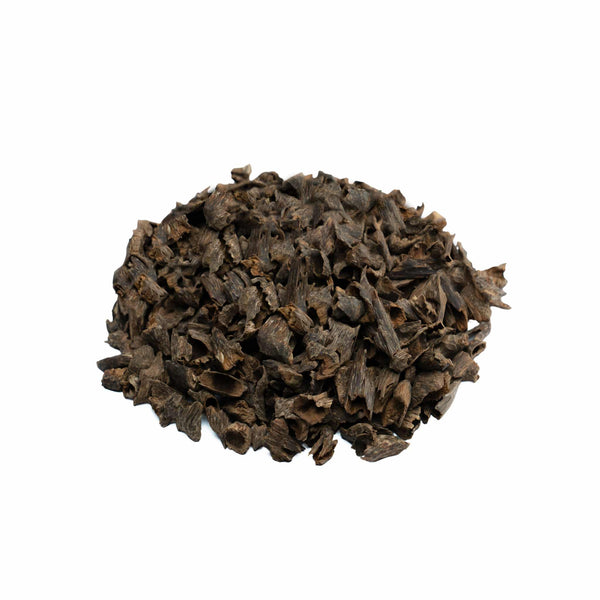
Bol Muri Naqwah
View product details
Char Gaf
View product details
Dehen oud combodi pursat
View product details
Dehen Oud Hindi Qadim (25 YEARS)
View product details
Dehen oud hindi Sioufi
View product detailsFind our current contact details on the Contact page.